Insects are only half the story in Dubai Marina. The district sits beside the water and beside constant construction, so the air carries humidity, fine dust, and wind-blown sand straight through open windows. Fly screens for dust and sand protection in Dubai Marina homes filter what the breeze brings in, keeping the apartment cleaner and the air more comfortable.
This guide explains where marina dust comes from, how screens help, and how to choose and maintain screens that keep performing in gritty conditions.
Where Marina Dust Comes From
Dubai Marina is rarely still. New towers rise, older ones get refaced, and the roads around the district carry constant traffic, all of which put fine particulate into the air. Add the natural desert dust that blows through on windy days and the salt carried in humid air off the water, and you have a mix that settles on every surface of an open apartment. High floors do not escape it; wind at height carries fine dust upward, and many residents are surprised how quickly sills and floors film over even twenty floors up. Understanding the mix matters because it shapes how you choose and care for your screens.
How Fly Screens Reduce Dust Indoors
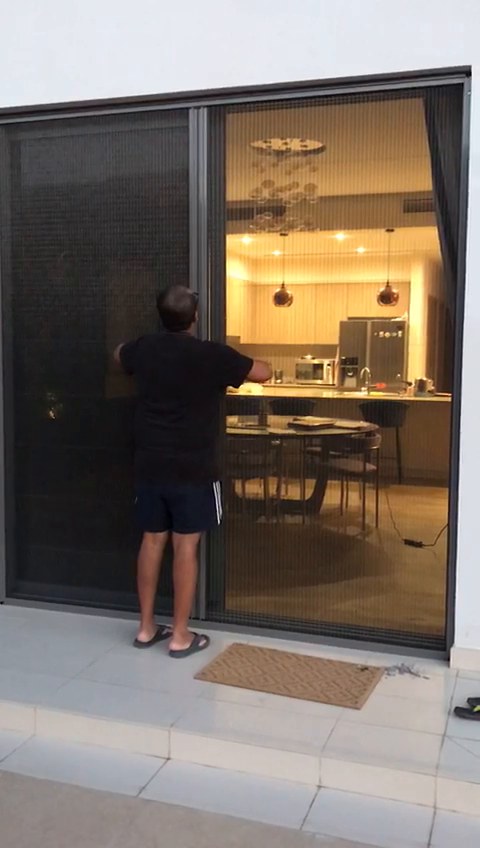
A fly screen is a filter as well as a barrier. As air passes through the mesh, the larger dust particles and grains of sand are caught on the mesh surface instead of sailing into the room. The effect is most noticeable on the balcony door: with the glass open and the screen closed, the living room gets the breeze with a fraction of the grit. The mesh will not stop the very finest dust, which is why the screen visibly collects a grey film over time; that film is dust that would otherwise be on your furniture. Regular cleaning restores the airflow and the filtering effect together. For residents sensitive to dust, this makes a real difference to daily comfort: less wiping, less sneezing, and an apartment that stays fresher between cleans.
Choosing Screens for Dusty Conditions
In dusty conditions, the details of the screen matter. A tighter weave catches more particulate, so residents bothered by dust can ask about finer mesh options; the trade-off is a small reduction in airflow, which most households find acceptable. Dark charcoal mesh is practical here because it shows dust less and keeps the view clearer between cleans. Frames should be powder-coated aluminium, which stands up to the salty, humid air without pitting, and all fixings should be corrosion-resistant for the same reason. Seals are the unsung hero: a screen with good edge seals and brush strips stops dust from slipping around the frame, which is where a surprising amount of grit enters. Compare sealed options in our sliding door fly screens range.
High Floors: Wind, Sand, and Screen Strength
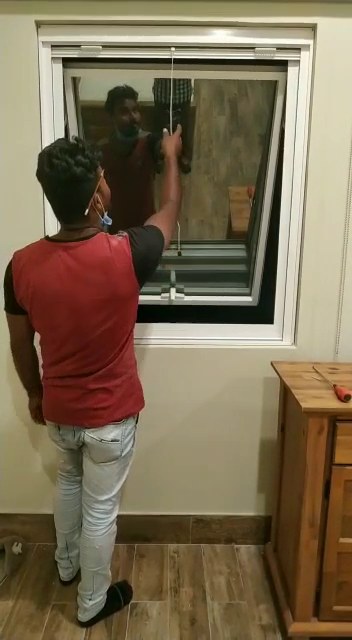
Life on a high floor brings stronger wind, and wind plus dust is abrasive. Screens up high need rigid frames that do not flex and rattle in gusts, because a flexing frame works its seals loose over time and lets dust in around the edges. Mid-rails on tall panels add the stiffness that stops this. The mesh itself should be UV-stable, since high floors get unfiltered sun for more of the day and cheap mesh goes brittle faster up there. Tracks on sliding screens need to drain and clear easily, because wind drives grit into every channel; a track profile that vacuums out in seconds is worth more than a fancy one that traps debris. High-floor screens work hard, so build them to match.
Maintenance That Keeps the Protection Working
A dust-loaded screen protects less and breathes less, so cleaning is not cosmetic here; it is the maintenance that keeps the system working. Rinse or wipe the mesh every few weeks in dusty periods, more often if construction is active next door. Vacuum sliding tracks regularly, because grit in the track wears the rollers and eventually stops the panel closing fully, which opens a gap for dust. Wipe the frame seals so they stay supple and keep their contact. Once or twice a year, take sliding panels out of their tracks for a thorough wash and inspect the mesh for thinning, especially on the windward side where abrasion is greatest. This routine takes little time and keeps the screens filtering properly for years.
FAQs
Do fly screens really reduce dust inside the apartment?
Yes, noticeably. The mesh catches larger dust particles and sand grains as air passes through, so less grit reaches your furniture and floors. You will see the proof as a grey film on the mesh itself between cleans.
Will a finer mesh block too much breeze?
Finer mesh reduces airflow slightly, but the evening breeze still comes through well enough for comfort. Most residents find the trade-off worthwhile for the extra dust filtering, especially on windward-facing openings.
How often should I clean screens in a dusty tower?
Every few weeks in dusty periods, and monthly at other times. If there is active construction near your tower, clean more often; a loaded mesh filters poorly and tempts people to leave the screen open.
Does high-floor wind damage fly screens?
Not if they are built for it. Rigid aluminium frames, mid-rails on tall panels, and UV-stable mesh handle high-floor wind well. Cheap flexible screens are the ones that suffer, which is why specification matters up high.
Can renters get dust-protection screens?
Yes, with landlord consent like any fixed screen. Dust protection is an easy case to make to a landlord, since it reduces wear on the apartment’s interior and keeps the place cleaner between tenancies.
For sealed, robust options, also browse our pleated fly screens range.
Tired of dusting every day? Get a free quote for dust-protecting fly screens in Dubai Marina.

