
Choosing the best fly screens in Dubai Marina starts with the apartment itself. Marina towers are full of sliding balcony doors, tall windows, and small vents, and each opening suits a different screen. Picking the right type for each one gives you smooth daily use and a clean look that fits the building.
Below is an honest comparison of the four screen types we install most often in the marina: sliding, pleated, roller, and fixed. None is best everywhere, so match the screen to the opening rather than forcing one style across the whole flat.
Sliding Fly Screens: Best for Balcony Doors
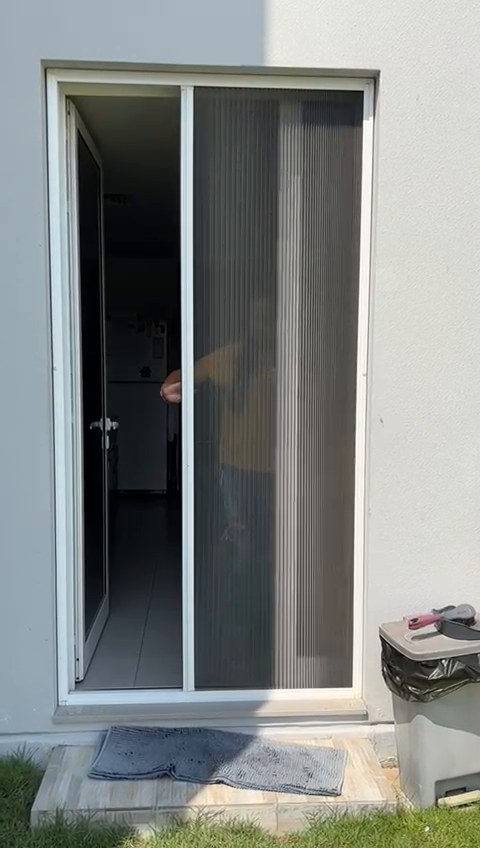
The sliding screen is the workhorse of marina apartments. It runs on a dedicated track parallel to the glass balcony door, so it opens and closes with the same sideways motion you already use every day. For the tall, wide doorways common in the marina, this is usually the most practical choice: the panel stays rigid in its frame, it handles frequent use without wearing out, and it covers large spans without sagging. If you open the balcony door daily, start here.
Pleated Fly Screens: Best for Wide or Elegant Openings
Pleated screens fold like an accordion into a slim stack at the side of the opening. In marina apartments they shine on very wide balcony doors and on patio-style openings where a sliding panel would look bulky. When folded back, the screen almost disappears, which suits residents who want the full marina view uninterrupted. The pleated mesh also handles uneven spans gracefully, making it useful for openings that are slightly out of square, a common find in older towers. Pleated screens cost more than basic sliding panels, but for the main living-room opening in a view-facing apartment, the clean look is worth it. See our pleated fly screens page for how they are built and where they fit best.
Roller Fly Screens: Best for Bedroom and Kitchen Windows
Roller screens roll down from a cassette at the top of the window and retract when you want a clear view. They are the natural fit for bedroom windows in marina towers, where you want the night breeze and a screen that vanishes during the day. Kitchens benefit too: a roller screen over a window near the cooking area keeps flies away from food while retracting out of sight when you want full light. The cassette mounts inside the reveal, so the window frame keeps its original look. One thing to check in tower apartments is the depth of the window reveal; most marina windows have enough, but a quick measurement confirms the cassette will sit flush.
Fixed Fly Screens: Best for Vents and Seldom-Opened Windows
Fixed screens are simple framed panels that sit permanently in the window opening. They are the right answer for bathroom vents, small kitchen windows, and any window you rarely open. Because there are no moving parts, there is nothing to wear out and nothing to maintain beyond an occasional wash. In marina apartments, fixed screens often cover the smaller service windows in the utility area or the narrow windows beside the main balcony door. They are also the quickest to install, which helps when you want every opening in the flat covered in a single visit. For a full-apartment solution, fixed screens handle the secondary windows while sliding or pleated screens take the main doors.
How to Decide: Match the Screen to the Opening
The simplest rule is also the most reliable: put a moving screen on every opening you open, and a fixed screen on the rest. Your balcony sliding door, used many times a day, deserves a sliding or pleated screen. Bedroom windows you open at night suit rollers. Vents and utility windows get fixed panels. Consider your household as well: homes with children or pets benefit from screens that close positively and resist pushing, while a renter may prefer options that leave the original fittings untouched. An installer who measures each opening individually, rather than quoting one screen type for everything, will land on the combination that works. In most marina one-bedrooms that means two moving screens and two or three fixed ones; larger corner units add a few more.
FAQs
What is the most popular fly screen in Dubai Marina?
Sliding screens for balcony doors are the most common, because nearly every marina apartment opens to the balcony through a sliding door. Pleated screens are the popular upgrade for wide living-room openings where residents want the screen to disappear when folded back.
Can I mix screen types in one apartment?
Yes, and most marina installations do exactly that. A typical flat might have a sliding screen on the balcony door, roller screens on bedroom windows, and fixed screens on vents. Mixing types keeps the cost sensible while giving each opening the right mechanism.
Will sliding screens fit my tower’s balcony door track?
In most cases, yes. The screen runs on its own slim track fitted beside the existing door track, so it does not interfere with the glass door. An on-site measurement confirms the available space and the headroom above the door.
Are pleated screens durable enough for daily use?
Yes. Quality pleated screens are built for daily opening and closing, with reinforced folds and smooth-running cords. They suit the main balcony door of an apartment that is opened and closed many times a day.
Do renters need permission to change screen types?
Renters need landlord consent for any fixed installation, whichever screen type is chosen. Most landlords agree readily because fly screens protect the apartment; get the agreement in writing before work starts.
For wide balcony openings, explore our sliding door fly screens range alongside the pleated option above.
Tell us about your apartment’s openings and get a free quote for the right screen mix in Dubai Marina.

