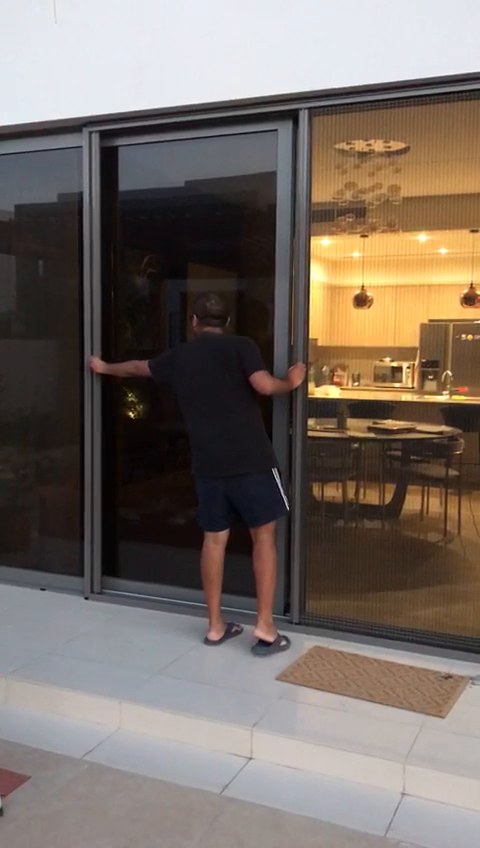
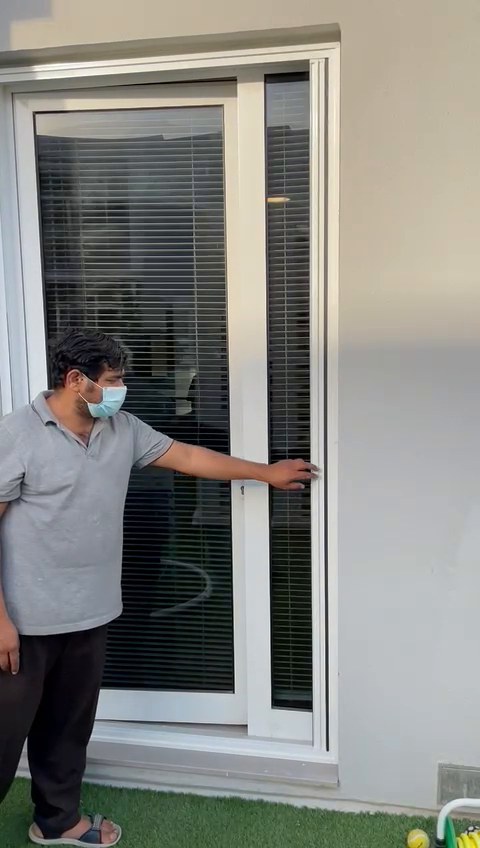
Dubai homes open their windows more often than visitors expect. From November to March the evenings are cool enough to switch off the air conditioning, and even in warmer months people crack a window at night for fresh air. The problem is what comes in with the air. Mosquitoes, flies, and midges are active year round in the UAE, especially near landscaped gardens, water features, and the coast.
A fly screen is a simple fix. It is a frame fitted over or inside the window or door opening, carrying a fine mesh that lets air pass through while stopping insects. This guide covers the screen types, mesh choices, and fitting process for fly screens in Dubai, so you know what to ask for when you order.
Why Screens Make Sense in Dubai
Insect activity does not stop for winter here the way it does in colder climates. Mosquitoes breed in standing water, and Dubai has plenty of it: decorative lakes, irrigation runoff in villa communities, and the marina itself. Flies gather wherever food is prepared or waste is stored. A screen on every regularly opened window and door removes the need to choose between fresh air and a bite-free home.
Screens also cut down on dust. The mesh will not block fine desert dust completely, but it catches a surprising amount of the coarser particles, sand, and leaves that blow in otherwise. Many customers tell us the house simply stays cleaner once screens are fitted throughout.
The Main Screen Types
Fixed screens sit permanently in the window frame. They suit windows you open for air but never need to climb through, like bathroom and kitchen windows. They are the simplest type and the cheapest to make.
Sliding screens are panels that glide along a track, matching sliding windows and sliding doors. They follow the sash, so the screened opening is always where the open half is. Sliding windows are the most common window type in Dubai buildings, which makes this the most used screen type.
Hinged screens work like a small door, opening inward or outward on hinges. They fit casement windows and French doors, where a fixed or sliding panel would get in the way of the handle or the swing.
Pleated screens fold back like a concertina. They are made for wide openings: villa patio doors, large balcony doors, and spans up to six metres. When open they stack into a slim profile at the side, leaving the view clear.
Roll-up screens pull down from a cassette at the top and retract when not needed. They give the cleanest look on windows where you want the screen to disappear in the daytime.
Choosing the Mesh
Standard fibreglass mesh stops mosquitoes, flies, and moths. It is flexible, holds up well in heat, and is the right default for most Dubai homes. If your home is near water or dense planting and you are bothered by tiny midges, ask for a finer mesh that stops smaller insects.
Homes with dogs or cats should ask for pet-resistant mesh. It is a thicker, tougher weave that stands up to claws. Standard mesh will tear if a cat climbs it regularly. Pet-resistant mesh is the one upgrade that genuinely pays for itself in pet households.
Mesh colour matters more than people think. Charcoal or black mesh gives the clearest view out. Lighter mesh reflects more light and reads as slightly hazy from inside. For the view you paid for, choose dark mesh.
How Fitting Works
Every opening is measured on site. We run a free measurement visit, measure each window and door, note the frame profiles and any quirks, and the screens are made to order in our Dubai workshop. Ready-made screens from a shop shelf rarely fit properly, and a screen that does not fit is a screen that lets insects in.
Fitting itself is straightforward. Fixed screens slot into the frame channel. Sliding screens lift into the track. Hinged screens are screwed to the frame. Most homes are done in a single visit once the screens are made. The quote is free at the measurement visit.
Keeping Screens Working
Vacuum the mesh with a soft brush attachment every few months. Wipe frames with a damp cloth. On sliding screens, vacuum the track channel so rollers keep moving freely. Never oil a track; oil plus Dubai dust makes a grinding paste that wears the rollers out faster.
Check brush strips once a year. These are the fuzzy seals along the edges of sliding screens. When they go flat, insects slip through the gaps. Replacing strips is a small job that restores the seal completely.
What Comes Next
Most homes need a mix of types: fixed screens on small windows, sliding screens on sliding windows and balcony doors, and pleated screens on the wide patio doors. Start with the openings you use most and work outward from there.
For the screen type most Dubai homes ask about first, read our guide to sliding door fly screens in Dubai.
FAQ
Do fly screens block the breeze?
Slightly. Fine mesh reduces airflow by a small amount, but a screened open window still moves far more air than a closed one. Finer meshes restrict airflow a little more than standard mesh.
Can screens be fitted to rented homes?
In most cases yes. Many screen types fit without drilling, and fixed screens slot into existing channels. For apartments, check with your building management about facade rules before fitting anything visible from outside.
How long does a fly screen last in Dubai?
Aluminium frames last many years. The mesh is the part that ages: heat, UV, and dust slowly make it brittle. Standard mesh typically needs re-meshing after several years of strong sun exposure. Pet-resistant mesh lasts longer against claws but ages the same way in the sun.
Do screens stop dust completely?
No. Mesh stops insects, leaves, and coarse sand. Fine desert dust passes through. If dust is your main concern, keep windows closed on windy days and rely on the air conditioning filter instead.
Which windows should get screens first?
Bedrooms, because you open them at night when mosquitoes are most active. Then the living areas you ventilate in the cooler months. Kitchen and bathroom windows are worth doing too, since cooking smells attract flies.