
One of the first questions Springs homeowners ask is what their fly screens will cost, and the honest answer is that it depends on the house. Every villa in The Springs is slightly different: different door widths, different numbers of windows, different screen types on different openings. This article explains the factors that shape the final figure, so you know exactly what drives it up or down and can plan your screens with clear eyes. The only way to get an exact number for your villa is a free measurement and quote, which is why we offer one.
The size of the openings
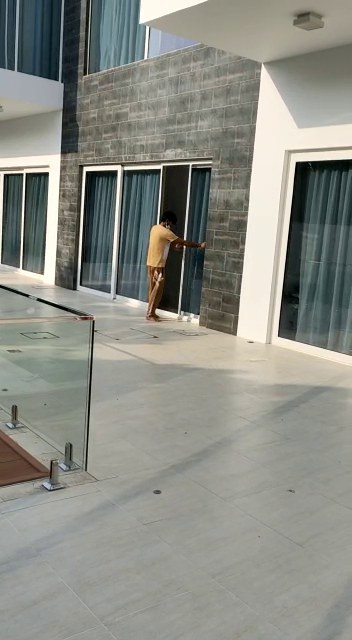
The single biggest factor is how much screening each opening needs. A standard bedroom window takes far less material than a double-width patio door, and The Springs has plenty of both. Wide patio doors, tall French doors and large sliding windows all need bigger frames and more mesh, and very wide openings may need a two-panel design, which adds hardware. During the free measurement visit, every opening is measured individually, so the quote reflects your villa’s actual dimensions rather than a guess.
The screen type on each opening
Different screen types involve different amounts of material and mechanism. Fixed screens are the simplest: a frame and mesh with no moving parts. Sliding screens add tracks and rollers. Pleated screens add the folding mechanism and side cassettes that make them so neat on patio doors. A villa screened entirely with fixed window screens will come in lower than the same villa with pleated screens on every door, which is why most Springs homeowners mix types: pleated where it counts, simpler screens elsewhere. Our guide to fly screens in The Springs shows how the mix typically breaks down across a townhouse.
How many windows and doors you screen
The count matters as much as the size. A Springs townhouse might have a handful of priority openings or a full set covering every window and door in the villa, and the difference between those two plans is significant. Most homeowners start with the essentials, the main patio doors, the kitchen door and the upstairs bedroom windows, and then decide whether to extend to the remaining windows. There is no rule that says it must all be done at once. Screening the priority openings first and adding the rest later is a completely normal way to do it, and the free quote can be structured either way so you can compare.
Mesh and frame choices
Within any screen type, the mesh and frame specification affects the outcome. Standard fine mesh suits most openings, while tougher pet-resistant mesh, which holds up better to claws, is a sensible upgrade for doors that cats and dogs use. Frame colours are generally a matter of matching your existing aluminium rather than a cost driver, but non-standard colours or finishes can add a step to the workshop process. None of these choices is right or wrong in itself; they are about matching the screen to how each opening is actually used.
The condition of the existing openings
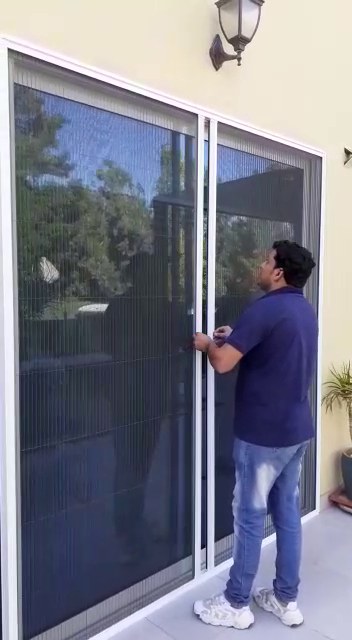
Finally, the state of your villa’s doors and windows plays a part. Straight, true openings are quick to measure and fit. Openings where the original frames have shifted over the years, which is not unusual in twenty-year-old townhouses, may need a little more care in fitting to get a clean seal with no gaps. If you have old screens being removed, or tracks that need attention, that is also part of the job. A good technician spots all of this during the measurement visit, so there are no surprises on fitting day.
Getting an exact figure for your villa
The factors above are why a meaningful quote has to be based on your actual villa, not a standard package. The free measurement visit takes the guesswork out: every opening measured, the right screen type confirmed for each one, mesh and colour chosen, and a clear quote that itemises what goes where. You can then adjust the plan, add or remove openings, change a screen type, and see how the figure moves. That transparency is the point of the visit, and there is no obligation attached to it.
Why do quotes differ so much between villas?
Because no two villas have the same openings. Door widths, window counts and screen-type choices vary from house to house, so each quote is built from the actual measurements of that villa.
Is it cheaper to screen only some openings?
Screening fewer openings means less material and less workshop time, so yes. Many homeowners start with the priority doors and windows and extend the set later.
Does pet-resistant mesh change the cost?
It is a specification choice like any other. It is worth it for doors that pets use regularly, because a standard mesh that needs replacing soon after is the more expensive option in the end.
How do I get an exact quote?
Book a free measurement visit. A technician measures every opening, confirms the right screen type for each, and gives you a clear itemised quote with no obligation.
Next: New Townhouse in The Springs: Fly Screen Checklist Before Moving In

