
Choosing fly screens for a Remraam townhouse is simpler than it looks, because the homes themselves are simple. Standard windows, wide sliding garden doors, practical layouts. The decision comes down to matching the right screen type to each opening and to how your family actually uses the house. This guide compares the options honestly so you can spend where it counts. If you are starting from scratch, our fly screens in Remraam overview gives you the full picture first.
Remraam families tend to be practical buyers. They want screens that work, last, and do not need replacing in two years. That means thinking about daily use: children running through the garden door, dust settling in tracks, pets pushing at mesh. The best screen is the one that survives your household.
Start With Your Openings, Not the Catalogue
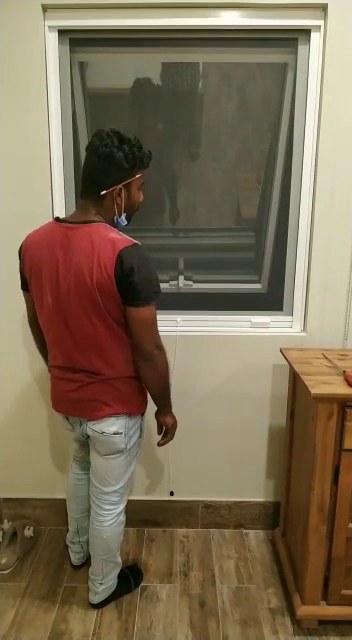
Walk through your townhouse and list every window and door you open regularly. Most Remraam homes have the same pattern: a wide sliding door from the living room to the garden, kitchen windows facing the service yard, two or three bedroom windows, and small bathroom and laundry windows. Each of these wants a different answer.
The garden sliding door is the high-traffic opening. Whatever goes here needs to move smoothly, survive constant handling, and seal well against dust. Windows that you open for a breeze need screens you can remove or open for cleaning. Windows that stay shut most of the year need nothing more than a simple fixed panel. Matching the type to the use is how you avoid paying for features you will never touch.
Fixed Screens: The Quiet Workhorses
Fixed screens are simple mesh panels secured into the window frame. They do not move, they do not jam, and there is almost nothing to break. In Remraam they are ideal for bathroom windows, laundry room windows, and any bedroom window you open only occasionally.
Their strength is also their limit. You cannot open a fixed screen to clean the glass behind it easily, and they do nothing for doors. But for small windows they are the sensible, low-maintenance choice, and they handle dust fine because there are no tracks to clog.
Sliding Screens for Garden Doors
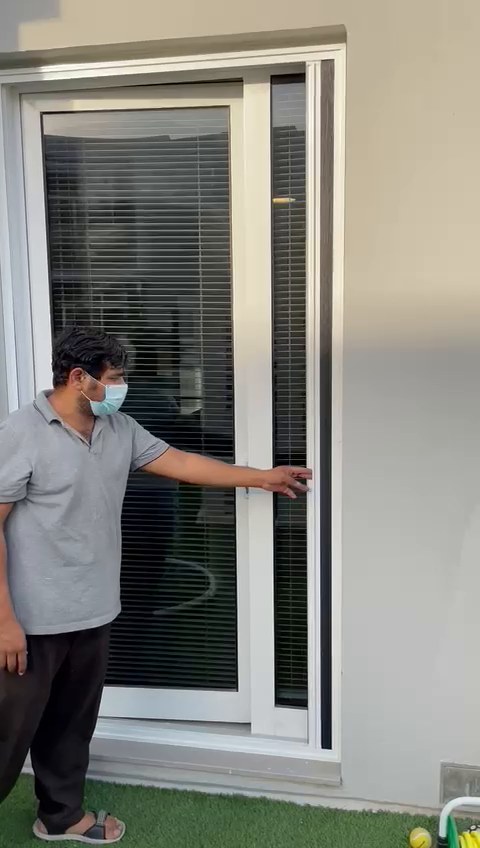
A sliding screen panel runs on its own track beside your glass sliding door. Open the glass, slide the screen across, and the breeze comes in while insects stay out. This is the default choice for Remraam garden doors, and for good reason. It is sturdy, straightforward to repair, and easy for children to operate.
The trade-off is that half the doorway stays covered by the screen panel at all times, since it slides rather than folding away. Some families mind this when carrying large items through. The other maintenance point is the track. Desert dust packs into bottom tracks, so a regular vacuum keeps the panel gliding. If you want the full breakdown of how these work on patio doors, see our page on sliding door fly screens.
Pleated Screens for Main Living Areas
Pleated screens fold up like a concertina into a slim cassette at the side of the doorway. When you want the door fully open, the screen all but disappears. When closed, it spans the whole width in one smooth sheet. For Remraam living rooms where the garden door is the visual centre of the room, this looks noticeably tidier than a sliding panel.
Pleated screens suit wider openings especially well, and Remraam’s living-room doors are wide. They cost more than sliding panels and need a little more care, mainly keeping the folds free of packed dust so they glide evenly. For the main door your family uses dozens of times a day, many homeowners consider that worthwhile.
Mesh Choice Matters as Much as Frame Type
The frame type decides how the screen moves. The mesh decides what it stops. In Remraam, ask for a fine-weave mesh. Standard mesh stops flies and mosquitoes; fine mesh also catches much of the desert dust that is the area’s signature problem. The airflow difference is small, and the dust reduction is real.
If you have pets, mention it before ordering. Standard mesh tears under cat claws and determined dogs. A tougher pet-resistant mesh on the garden door and any low windows saves you a repair visit later. It is one of the few upgrades that pays for itself quickly in a pet household.
FAQs
Which screen type lasts longest in Remraam’s dust?
Fixed screens, because they have no moving parts for dust to attack. Among moving types, sliding panels are hardier than pleated screens in heavy dust, though pleated screens last well if you keep the folds clean.
Should the garden door get a pleated or sliding screen?
Either works. Choose pleated if the living room door is wide and you want it to look tidy when open. Choose sliding if you want the simplest, toughest option, especially with young children who will be rough on it.
Do I need fine mesh on every window?
It helps most on the windward side of the house and on rooms facing open desert. Bedrooms and living areas benefit more than bathrooms. If budget is tight, put fine mesh on the main openings and standard mesh elsewhere.
Can one screen type cover my whole townhouse?
Not well. Doors need moving screens, small windows need fixed ones, and casement windows suit hinged screens. A mix matched to each opening always works better than forcing one type everywhere.
Not sure which mix suits your home? Get a free quote and we will walk through your townhouse with you, opening by opening.

