
Moving into a Mirdif villa is a project in itself: the movers, the DEWA connection, the garden, the school run routes. Fly screens rarely make the top of the list, and then the first warm evening arrives, the patio doors stand open, and the whole family discovers what the previous owners lived with. Screens are one of those jobs that is ten times easier before the furniture arrives, so this checklist is meant to be worked through in the week or two before moving day.
Whether the villa is a fifteen-year-old original or a brand-new build, the walk-through is the same. Go room by room, note every opening, and decide what each one needs. The fly screens in Mirdif overview covers the options; this is the practical order to do them in.
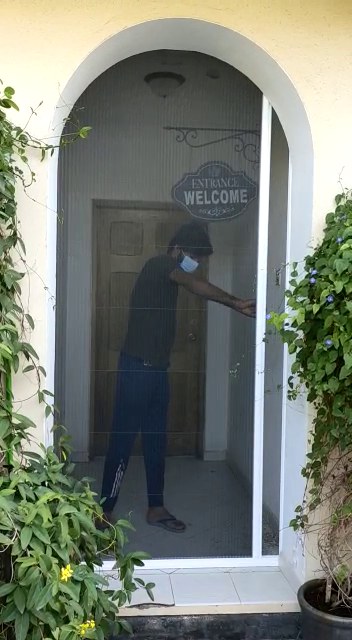
Walk every opening before the furniture arrives
Take a notebook and walk the empty villa, inside and out. Open every window and every door, and write down what you find: which windows have screens already, what condition they are in, which doors have screen tracks, and which openings have nothing at all. Empty rooms make this fast. You can see every window, reach every corner, and spot the gaps that furniture would hide.
Pay special attention to the windows the last owners clearly never opened. In older Mirdif villas there is always one: the high bathroom window with a painted-shut frame, the maid’s room window with a screen that disintegrated years ago. Note them all. A free measurement visit then turns your notebook into a proper specification, but the walk-through means you already know what you are looking at.
Bedrooms first: sleep without bites
If the schedule forces you to stage the work, bedrooms come first. The family can live with a fly in the kitchen for a week; nobody sleeps well with mosquitoes in the bedroom. Children’s rooms and the nursery are the top priority, then the main bedroom, then the remaining bedrooms.
For bedrooms, decide between standard mesh and the finer mosquito net weave. Ground-floor bedrooms facing the garden, and any room near irrigated planting, justify the finer weave. The mosquito nets guide for Mirdif goes through the room-by-room reasoning.
Garden and patio doors: plan for daily traffic
The big doors get the most use and cause the most trouble when they are unscreened. Work out how your family will actually live: which door becomes the main garden route, which one the kids will slam, where the dog will wait to be let out. The main garden door usually wants a sliding screen on its own track; very wide openings want pleated screens.
Check the tracks while the house is empty. Slide the glass doors and feel for grinding or sticking, which tells you the track needs attention before a screen goes on. It is much easier to service a track with no furniture in the room and no screen in the way.
The rooms people forget
Every villa has them. The kitchen window above the sink, which stands open during cooking and invites every fly in the garden. The laundry and utility room, with its small high window that nobody screens and everybody opens. The maid’s room, which deserves the same protection as any other bedroom. The majlis, if it has windows that will be opened when guests visit.
Bathrooms deserve a mention too. Small windows, often left ajar for ventilation, and in Mirdif’s older villas they are frequently the windows with the most deteriorated screens. They are quick, simple fixed screens, and there is no reason to leave them off the list.
Book the measurement early
Screens are made to order in the workshop, so there is a lead time between measurement and fitting. Booking the measurement visit for the week you get the keys, or even before, means the screens can be fitted in the gap between the old owners leaving and your furniture arriving. That is the ideal window: empty rooms, clear access, and the villa fully screened from the first night you sleep there.
If you are renting rather than buying, the same checklist applies, with one addition: check with the landlord about who arranges the screens. Many Mirdif landlords will agree to screens as a villa improvement, especially re-meshing of the original frames, and it is a far easier conversation before you move in than after. The repair guide explains the re-meshing option that landlords usually prefer.

Frequently asked questions
How early should I book the measurement?
As soon as you have access to the villa. Screens are made to order, so measuring early means fitting can happen before or just after moving day.
Can the screens be fitted after we move in?
Yes, absolutely. It is just easier before the furniture arrives, because every window is reachable and there is nothing to work around. After moving in, the fitter works room by room.
What if the villa already has some screens?
Keep the good ones. The measurement visit grades every existing screen, and sound frames can be re-meshed while new screens are made for the openings that have none.
We are renting. Should we still bother?
A year of unbitten sleep and fly-free cooking is worth it even in a rental. Talk to the landlord first; many agree to screens, particularly re-meshing, as an improvement to the villa.
Do new builds need this checklist too?
Yes. New villas often come with minimal or no screens, and the wide glass openings in modern builds need proper specification, pleated or sliding, from the start.
Next: Pet-Friendly Fly Screens in Mirdif

