
Mosquitoes get the attention, but ask long-term JBR residents what wears them down and many will say the dust. Fine sand drifts up from the beach, salt air films every surface, and the upper floors collect a thin grey layer that reappears days after wiping. Open the balcony door for the breeze and the apartment inhales it all. Well-chosen fly screens in JBR homes do quiet double duty: they stop insects and they take the edge off the dust and sand coming through the openings.
Screens are not air filters, and honest advice starts there. What they do is break the direct path: the mesh slows incoming air just enough that heavier particles drop instead of sailing through, and the sealed frame stops the gaps around open doors where most dust enters. Here is how to get the most dust protection out of your screens.
What Blows Into a JBR Apartment
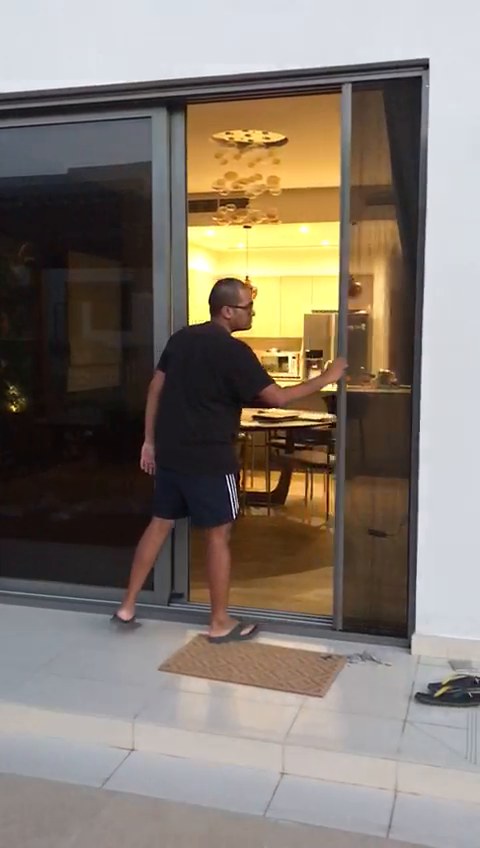
Three things arrive on the wind. Beach sand is the coarsest: visible grains that collect in balcony door tracks and window sills, worst after windy days. Salt air is invisible but constant: a fine film that settles on mesh, glass, and frames, and slowly corrodes unprotected metal. High-floor dust is the finest of all: a grey film that appears on shelves and electronics even with the doors closed half the day.
Each behaves differently at a screen. Sand grains are stopped cold by any intact mesh. Salt film passes through and settles on the mesh itself, which is why beachfront screens need rinsing. Fine dust partly passes through standard mesh and partly catches on it. Understanding the three tells you where screens help most and where cleaning takes over.
Mesh Density: The Trade-Off
Standard fly screen mesh is woven to stop insects while letting air move freely. It catches sand and the coarser dust while barely affecting the breeze. A finer weave catches more of the ultra-fine dust but trims airflow and loads up faster, which means more frequent rinsing to keep it breathing.
The practical answer for most JBR apartments is standard mesh on the living areas, where the sea breeze is the point, and the finer grade on bedrooms, where still air is fine and dust-free sleep matters. That split gives you ventilation where you want it and cleaner air where you sleep, without turning the whole apartment’s screens into a maintenance chore.
Sealing the Gaps Where Dust Pours In
Here is the uncomfortable truth about dust: most of it does not come through the mesh. It comes around it. The gap under a balcony door left ajar, the worn brush seal on a sliding panel, the corner where the screen frame meets the reveal: these are the highways. A screen that seals properly all round cuts dust entry far more than a denser mesh in a leaky frame.
Check the seals the way you would check for mosquito entry, because it is the same check. Close every screen, look at the edges, and feel for air movement at the corners. Brush seals compress with age and tracks fill with sand that lifts panels off their seats. Both are fixed on a routine fly screen repair in Dubai visit, and the dust reduction after fresh seals is immediately noticeable.
The Balcony Door Track: Sand Central
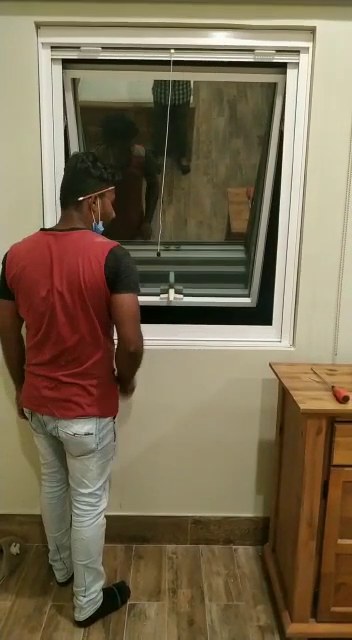
The floor track of a JBR balcony door is where beach sand goes to live. Every slide of the door grinds grains into the channel, and the screen track beside it collects the same. Grit in the track does two kinds of damage: it wears the rollers, and it holds the screen panel a fraction off its seal, opening the dust gap described above.
Vacuum the tracks every couple of weeks in windy months. It takes two minutes with a crevice tool and it is the highest-value maintenance in the whole apartment. Wipe the channel with a damp cloth afterwards to lift the salt film. Residents who do this have screens that glide for years; residents who do not call about stiff panels and dusty sills.
Cleaning Screens in a Beachfront Tower
Salt film is the enemy of airflow. A mesh coated in salt and dust passes less air, which tempts people to open the unprotected door instead, defeating the whole system. Rinse balcony door screens with fresh water every few weeks, more often in the windy season. A garden spray bottle works if you have no hose access on the balcony.
Bedroom screens need less: a vacuum with a soft brush head every month or two. Avoid scrubbing mesh aggressively, which stretches it loose in the frame. And clean both sides where you can reach them; the outer face collects the weather, the inner face collects the apartment.
FAQs
Do fly screens really reduce dust in the apartment?
They reduce the dust that enters through open doors and windows, which is a large share of it. Sand is stopped almost entirely. Fine dust is reduced but not eliminated. The biggest gains come from well-sealed frames rather than denser mesh.
Will a finer mesh block the sea breeze?
A little. Finer weaves trim airflow, which is why they suit bedrooms better than living areas. Standard mesh on the balcony door keeps the breeze while still catching sand and coarse dust.
Why does dust come back days after I clean?
Because it is still entering. Check the screen seals and the door tracks: worn seals and sand-packed tracks leave gaps that let dust pour in around the mesh. Fresh seals and clean tracks cut the reappearance dramatically.
How often should I rinse screens this close to the beach?
Every few weeks for balcony door screens, monthly for the rest. Salt film builds steadily near the water, and rinsing keeps the mesh breathing and the view clear.
Cut the dust at the openings: get a free quote for sealed, well-fitted screens in your JBR apartment.

