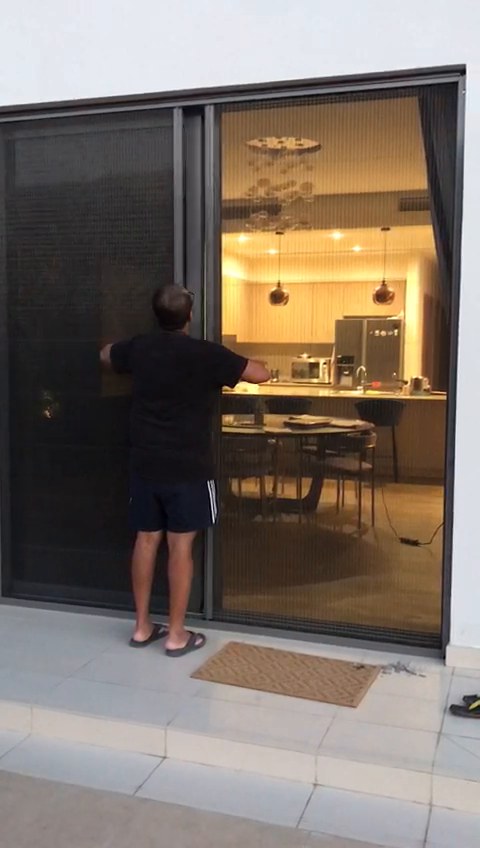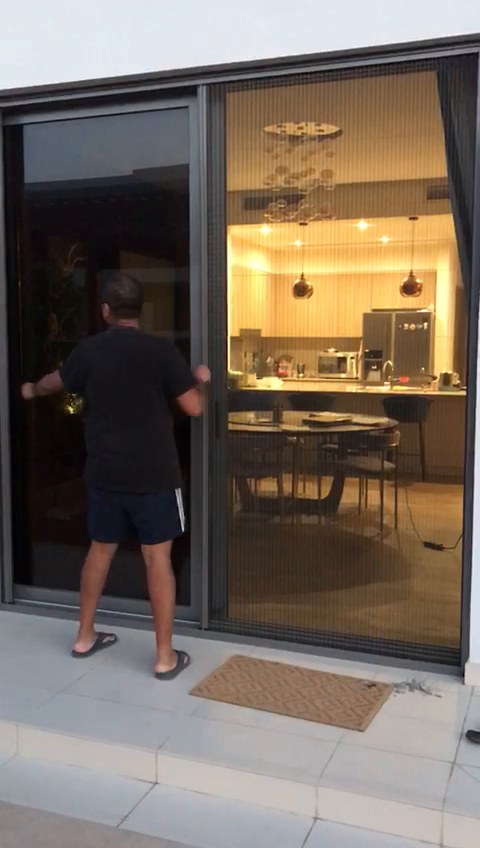
Abu Dhabi is harder on fly screens than almost anywhere else they are used. Summer temperatures push past fifty degrees on sun-struck facades. The shamal winds carry fine dust that gets into everything. A screen that would last a decade in a mild climate can be tired in a few years here if it was made wrong or never cleaned. This guide explains what the heat and the dust actually do to screens, and what to choose so yours last. We make fly screens in Abu Dhabi with this climate in mind, and the free measurement visit includes advice on the right spec for your home’s exposure.
What extreme heat does to a screen
Aluminium expands in heat and contracts at night. On a south or west facing window in August, the frame goes through that cycle hard every single day. A well-made frame absorbs it. A thin, flimsy frame works its fixings loose over time, and the panel starts to rattle or sit crooked in the opening.
Heat also ages the soft parts. Rubber splines that hold the mesh harden and lose grip. Brush strips go brittle faster on sun-facing openings. Plastic rollers soften slightly and wear faster under load. None of this happens in a year. It is a slow process, and it is why the quality of the components matters more here than the brochure suggests.
Mesh itself handles heat well. Fibreglass mesh does not melt or warp at the temperatures a window reaches. What heat does to fibreglass mesh is make it brittle over many years, so an old screen tears more easily. Aluminium mesh does not have this problem, which is one reason we recommend it for the most exposed openings.
What shamal dust does to a screen
Shamal dust is fine, abrasive, and persistent. It settles on mesh and dulls it, which is cosmetic. The real damage is mechanical. Dust packs into sliding door and window tracks, working into the roller bearings until the rollers grind flat. It settles on brush strips and grinds them down as the panel slides. It gets behind pleated mesh folds, where it is harder to clean out.
The dusty season is the hard season for screens. A sliding panel that ran smoothly in winter can start dragging by late summer if the track was never cleaned. This is normal wear in this climate, not a fault in the screen, and it is why track cleaning is the single most important maintenance task in Abu Dhabi.
Frame choice for the climate
The frame is where quality shows. We use sturdy aluminium profiles that hold their shape through heat cycling and hold mesh tension without twisting. Corner keys are fitted properly so the frame stays square. Fixings are chosen for the profile and the exposure, snug enough that the panel does not work loose and rattle in the shamal winds.
Powder coating on the frame resists the sun well. On the most exposed elevations, darker frame colours absorb more heat, which is worth knowing when you choose. The colour is your call, and we will tell you honestly if your chosen colour on a west-facing wall is asking for trouble.
Mesh choice for the climate
Standard fibreglass mesh suits shaded and north-facing openings, where the heat load is lower and the dust settles less. For south and west facing openings, garden-facing ground floor screens, and any door that gets heavy use, aluminium mesh is the tougher choice. It resists tearing, it does not go brittle in the sun, and it stands up to cleaning without damage.
Dark mesh has a practical advantage in dusty conditions. It shows dust less than light mesh, so the screens look cleaner between wipes and the view stays clearer. On a dusty-season window, that is not a small thing.
The maintenance rhythm that works here
Vacuum sliding tracks every month or two, monthly in the dusty season. Wipe mesh with a damp cloth when it looks grey. Hose down ground-floor screens gently if the dust is caked on, but keep the pressure low so the mesh is not forced out of the spline. Check brush strips once a year. Never oil tracks or rollers.
Once a year, walk the house and look at every screen the way we do on a service visit: mesh condition, panel movement, strip springiness, frame squareness. Catching a worn roller early is a small job. Forcing a seized panel bends the frame, and that is a bigger one.
When you are ready to get screens fitted, read our guide to finding a fly screen installer in Abu Dhabi.
FAQ
Will the heat warp my screens?
A well-made aluminium frame will not warp. Thin, poor-quality frames can twist over time. This is why the frame profile matters more in Abu Dhabi than in milder places.
Does dust ruin the mesh?
Dust dulls mesh but does not destroy it. The damage dust does is to tracks, rollers, and brush strips. Regular cleaning prevents most of it.
Is aluminium mesh worth it here?
For exposed openings, yes. It outlasts fibreglass in sun and dust, resists tearing, and handles cleaning. For shaded windows, standard fibreglass mesh is fine.
How often should I clean the tracks?
Every month or two, and monthly during the dusty season. It takes minutes with a vacuum and it is the highest-value maintenance you can do.
My screens rattle in the wind. Is that normal?
No. Rattling means a panel is loose in its track or a fixing has worked loose, often from heat cycling. It is fixable, usually by adjusting rollers and tightening fixings.