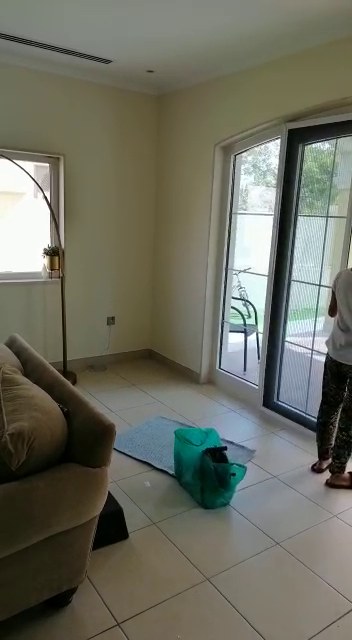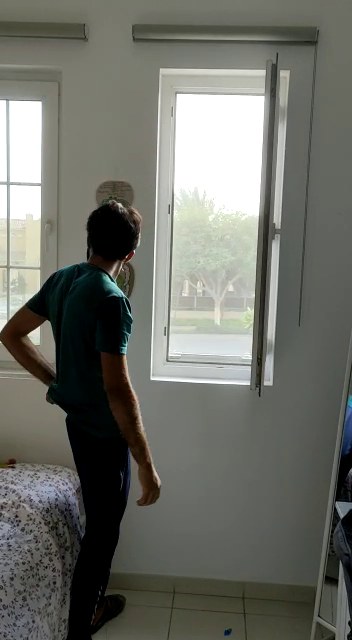

Windows outnumber doors in every home, and each open window is an entry point for mosquitoes. Sharjah bedrooms face the worst of it, because mosquitoes are most active at dusk and through the night, exactly when you want the bedroom window open for air. Getting the windows right matters more than any other part of the job.
This guide covers the three screen types that fit Sharjah windows, which rooms need what, and how fitting differs between villas and towers. We make fly screens in Sharjah to order in our Dubai workshop, measured on site for a gap-free fit.
Fixed Screens: The Workhorse
Fixed screens cover most windows. The panel clips or screws into the window reveal and stays in place. You open the window behind it and the mesh does the rest. They suit bedroom, living room, and bathroom windows that you open often but never step through.
Fixed screens are the cheapest type to make and the easiest to live with. There are no moving parts to wear. Cleaning is a wipe with a damp cloth a few times a year, or a vacuum with a brush attachment when the dust builds up.
The one thing to watch is the fit. A fixed screen that is a few millimetres short leaves a gap at the edge, and mosquitoes find gaps. This is why measurement on site beats buying a standard size. We measure each reveal individually, because reveals in the same building are rarely identical.
Sliding Screens: For Sliding Windows
Sliding windows are common in Sharjah apartment towers and in many villas. The screen for a sliding window is itself a sliding panel that rides in the window track, following the sash so the open half is always screened.
These screens have the same moving parts as sliding door screens: rollers and brush strips. The rollers are smaller and the panels lighter, so they last well, but the track still collects dust. A vacuum of the track channel every couple of months keeps the panel moving freely.
Kitchen sliding windows deserve a mention. Cooking grease mixes with dust on the mesh and forms a film that blocks airflow. If your kitchen window screen looks brown and the air barely comes through, it is not broken. It needs a proper wash with warm water and a mild detergent, not just a dry wipe.
Hinged Screens: For Casement Windows
Casement windows, the kind that swing open on side hinges, are standard in Sharjah villas. The screen for these is a hinged panel that opens like a second door, held closed with a magnetic catch or a simple latch.
Hinged screens are the easiest to clean because you can swing the whole panel open and wash both sides. They suit villa windows that open onto gardens, where dust and the occasional insect nest need regular clearing. The hinges need a drop of care too: if a screen starts to sag, the hinge screws have worked loose and need tightening before the frame bends.
Tower Windows: The High-Rise Case
Apartment towers in Al Majaz and Al Nahda mostly use top-hung windows that tilt inward from the top, or sliding windows. Top-hung windows need a fixed screen that covers the opening behind the tilt, fitted so the window hardware still operates. This is a routine job, but the screen has to be measured around the hinges and the restrictor arm.
Wind is stronger at height, and it pushes dust hard against the mesh. Screens on upper floors clog faster than ground-floor screens. Check them seasonally and clean before the airflow drops noticeably.
A fly screen is not a fall guard. If you have small children and opening windows in a tower, fit proper window restrictors on the glass sashes. The screen will not hold a child’s weight.
Villa Windows: The Casement Case
Villas in Muwaileh, Al Zahia, and the older Sharjah neighbourhoods mostly have casement windows that swing outward. Hinged screens suit these perfectly. For villa bathrooms with small top-hung windows, a small fixed screen does the job.
Villa windows face gardens, and garden-facing screens collect more than dust: pollen, small leaves, and the fine grit that blows off landscaping. A quick brush-down every month or two keeps them clear. It takes five minutes per window with a soft brush.
Mesh Choice for Windows
Standard fiberglass mesh suits most windows. It stops mosquitoes and flies while letting air and light through. For street-facing windows on busy roads, a slightly denser mesh cuts the fine dust that traffic kicks up, at the cost of a little airflow.
If your existing screens are failing, our guide to fly screen repair in Sharjah explains what can be fixed and what needs replacing.
FAQ
Can screens be fitted without drilling into the window frame?
Often, yes. Many fixed screens clip into the reveal or sit in the existing channel. Where screws are needed they are small and discreet. If you rent, we use non-invasive fixings wherever the window allows it.
Will screens darken my rooms?
Barely. Mesh cuts a small amount of light, similar to a sheer curtain. Most people stop noticing it within a day. If a room feels darker, the mesh is probably clogged with dust and needs cleaning.
How do I clean screens I cannot reach from outside?
Most of our screens are designed to be cleaned from inside. Fixed screens lift out of their clips for washing. Hinged screens swing open. Sliding panels lift out of the track. We show you how each one comes out before we leave.
Do bathroom windows need screens?
Yes, and they are often overlooked. Bathroom windows stay open for ventilation and mosquitoes love the humidity. A small fixed screen on a bathroom window is one of the cheapest screens to make and one of the most useful.
Can you match screens to my existing window colour?
Aluminium screen frames come in the standard finishes used on UAE windows: white, bronze, and black cover almost everything. We match the closest finish to your existing frames at the measurement visit.