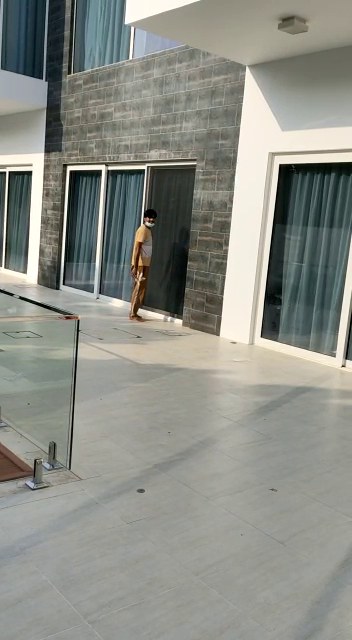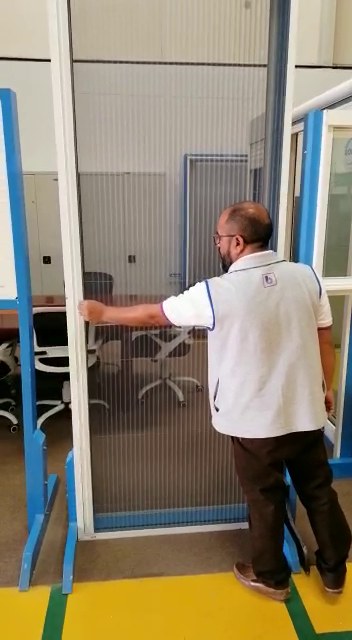
Three ways to screen a window or door, three different daily experiences: one rolls away, one stays put, one lifts off. Each one is the right answer for a different window.
This guide puts the three side by side on looks, convenience and durability, then matches each type to the openings where it shines. No type wins overall.
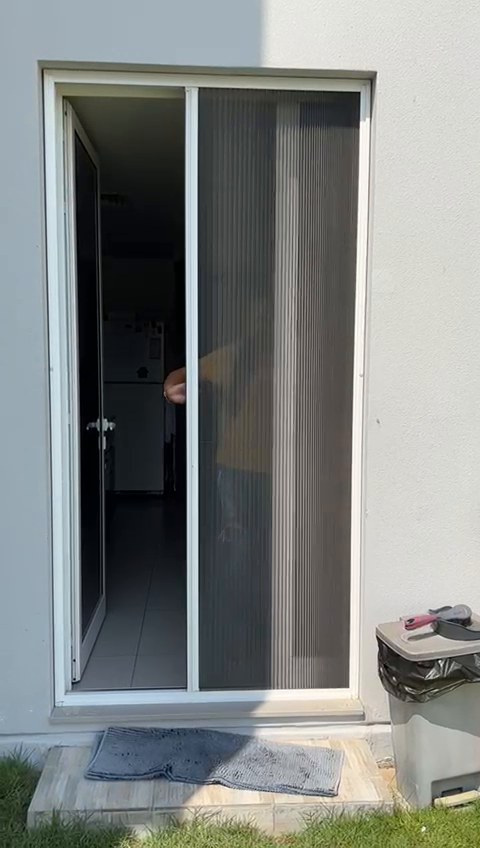
The three systems in one picture
A retractable screen works like a blind in reverse: the mesh lives on a spring roller inside a slim cassette, pulls across when needed, and rolls away when not. Pull-down for windows, side-pull for doors.
A fixed screen is an aluminium frame with mesh stretched across it, screwed or clipped into the reveal. A magnetic screen is a lighter frame that presses onto the window with magnets and lifts off whenever you want it gone. All three use similar mesh; the difference is in how the mesh is held.
Retractable screens: the disappearing option
Retractable screens give the neatest look, because most of the time there is almost nothing to see: a slim cassette along one frame edge, and a completely clear opening until you pull the mesh across. For living rooms and balcony doors where the view matters, that invisibility is the main reason people choose them.
Daily use is a one-hand pull. The trade is mechanical: spring roller, guides and pull bar mean more moving parts than a fixed frame, so they reward gentle handling and an occasional clean. The mesh gets an easy life, protected inside the cassette instead of facing sun and dust. We manufacture retractable fly screens in Dubai in our own workshop, custom measured to each opening.
Fixed screens: the always-there option
Fixed screens are the simplest of the three. An aluminium frame, mesh stretched tight, fixed into the reveal, with the fewest parts that can wear. For windows opened rarely, like bathroom vents and stairwell windows, fixed is the sensible default.
The trade is permanence. The mesh sits in the opening all year, facing Dubai sun and dust whether the window is open or not. It needs a wipe-down now and then, and the mesh ages faster than mesh that retracts into a cassette. If it tears, the frame usually takes a fresh sheet without drama. Our fixed window fly screens page covers the options for windows that suit this type.
Magnetic screens: the lift-off option
Magnetic screens are the easygoing option: the frame presses on with magnets, seals around the edges, and lifts off in seconds. Renters love them because they leave no fixings and no trace, suiting seasonal use: up for the buggy months, away for the rest.
The trade is holding strength. Magnets grip well on flat metal frames but less firmly in strong wind, so magnetic screens suit sheltered windows better than exposed high-rise balconies. They need a metal frame, or adhesive magnetic strips on the reveal, to hold onto. Treated gently, they last well, and a damaged one is the simplest to replace.
Head to head: looks, convenience, durability
On looks, retractable wins when retracted, because there is nothing to see. Fixed screens are always visible, though a slim frame looks tidy. Magnetic sits between: visible when fitted, gone in seconds when lifted off.
On convenience, it depends what you mean. For daily use, the retractable pull is the smoothest habit. For removal, magnetic wins outright. Fixed asks nothing of you at all, until the mesh needs cleaning and the frame has to come out.
On durability, fixed has the fewest moving parts, retractable protects its mesh best, and magnetic depends on gentle handling and a good grip. Dust and sun age every mesh, so the type whose mesh spends the least time exposed has a natural advantage. None is fragile; each fails only when used against its nature, like a magnetic screen left on a wind-battered balcony.
Matching the screen to the opening
Choose opening by opening: main balcony door, side-pull retractable; bedroom window, pull-down retractable; bathroom vent, fixed; rented bedroom, magnetic.
Villas with many windows usually end up with a mix, and that is fine. Most of our jobs combine types across one home. Sliding balcony doors deserve a special mention: a side-pull retractable follows the door’s motion naturally, which is why it is our standard recommendation there. See sliding door fly screens for the door-specific builds.
A note on Dubai conditions
Dubai is harder on screens than milder climates. Fine dust works into every guide and weave, summer sun bakes exposed mesh, and shamal gusts test every fixing. Retractable screens handle this well because the mesh hides in the cassette. Fixed screens need their occasional wipe-down. Magnetic screens do best on sheltered windows.
Whatever the type, custom measurement matters most: a screen cut to the exact opening seals at the edges, and insects get in through gaps, not mesh. We serve Dubai, Sharjah, Ajman, Abu Dhabi and Ras Al Khaimah, starting every job with a free measurement visit. For a broader look at mesh choices, our page on mosquito nets in Dubai is a useful companion read.
FAQ
Which type lasts the longest?
Fixed screens have the fewest moving parts, though the mesh faces constant sun and dust. Retractable mesh stays protected inside its cassette, which balances out the moving parts. Magnetic screens last well indoors with gentle handling.
Which is best if I rent?
Magnetic screens lift off without a trace, and retractable screens remove cleanly since they fix inside the reveal. Check your tenancy contract either way.
Which suits a main balcony door?
A side-pull retractable. It takes daily use without blocking the view, and the mesh retracts instead of wearing against the door. See our sliding door fly screens page for door-specific builds.
Can I mix types in one home?
Yes, and most of our jobs do exactly that: retractable on the living-room balcony door, fixed on the bathroom windows, magnetic in a rented bedroom.
How do I get a quote?
Call or WhatsApp +971 52 443 2655 to book a free measurement visit — the quote is free at the visit, with no obligation.
Next: What Are Retractable Fly Screens and How Do They Work