
Remraam’s gardens make it a natural home for pets. Cats patrol the window sills, dogs demand garden access ten times a day, and the sliding door to the patio becomes the busiest thoroughfare in the house. Standard fly screens were not designed for this life. Claws shred ordinary mesh, heavy dogs lean through panels, and a screen that worked fine in a pet-free flat gives up within months. Pet-friendly fly screens in Remraam start from a different brief: built for the animals first, the insects second.
This guide covers what makes a screen genuinely pet-proof, how to handle garden access without leaving the door open, and the maintenance realities of a house shared with animals.
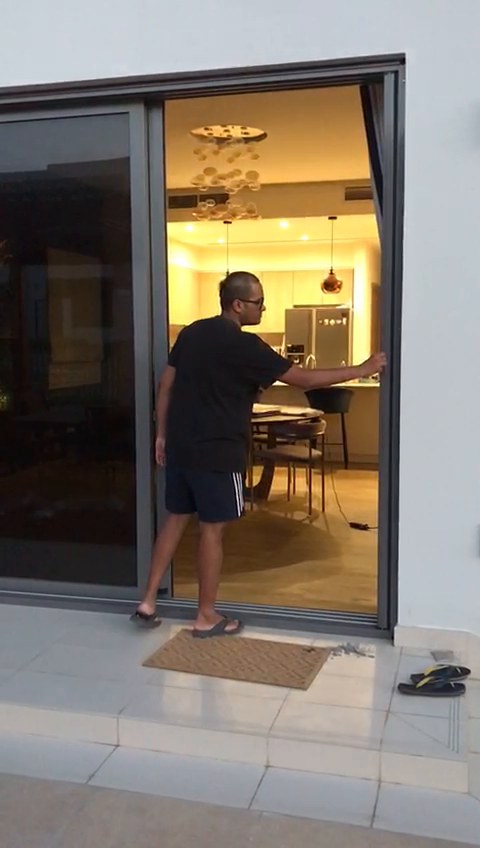
Why Ordinary Mesh Fails With Pets
Standard fly screen mesh is woven to stop insects while letting air through. It is strong in the way a drum skin is strong: fine under even tension, vulnerable to a point load. A cat’s claw is a point load. So is a dog’s nose pushing through a half-open panel. One determined scratch opens a run in the weave, and the run spreads every time the animal goes back to the same spot.
The garden door takes the worst of it. Dogs scratch at the screen when they want in. Cats climb it to reach a better vantage point. Even rabbits and birds in garden hutches attract cats to the nearest screen. If your household includes animals, specifying tougher mesh on the garden door is not an upgrade. It is the baseline.
Tougher Mesh: What Changes
Pet-resistant mesh uses thicker strands woven more densely than standard insect mesh. It resists claw punctures and stands up to repeated pushing and leaning. Airflow drops slightly compared with standard mesh, but in practice the difference is small, and a screen that stays intact obviously ventilates better than a torn one.
You do not need it everywhere. The sensible split is pet-resistant mesh on the garden door and any low windows the animals reach, and standard mesh on upper windows and rooms the pets never enter. That keeps the job sensible while protecting the screens that take the punishment. Mention your pets when ordering so the mesh choice is made deliberately, not discovered after the first tear.
Garden Access Without Open Doors
Dogs that go in and out all day create a dilemma. Leaving the garden door open invites insects and dust. Keeping it shut means playing doorman. A pet flap fitted into the screen panel solves it. The animal pushes through the flap; the screen stays closed behind them.
Flaps come in sizes to suit the animal, and the screen panel is reinforced around the opening so the flap does not weaken the mesh. For cats, a smaller flap in a window screen or door panel works the same way. Train the animal with treats for a day or two and most learn the push-through motion quickly. The flap has a brush or magnetic seal that closes after each pass, so insects do not simply follow the dog inside.
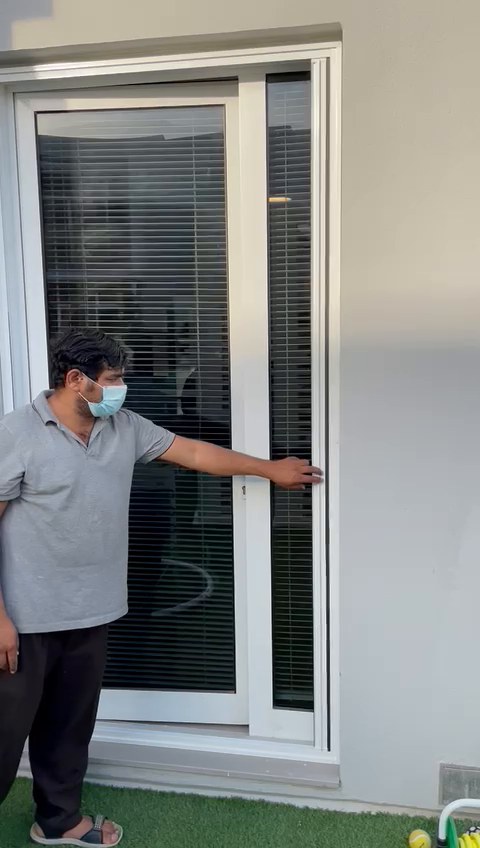
Cats, Balconies, and Upper Windows
Cats create a specific risk on upper floors. An open unscreened window is an escape route or a fall risk, and Remraam’s first-floor bedrooms with balcony access need screens that a cat cannot push open. Hinged screens with proper latches, or sliding panels with locks, keep the window ventilated and the cat inside.
Check latch strength honestly. A latch that a human opens easily may also yield to a determined cat leaning its full weight on the panel. Screens on cat-accessible windows should close positively and stay closed. This is a safety issue as much as a convenience one, so it deserves more attention than the screens in rooms the cat never enters.
Living With Pet Screens Day to Day
Pet screens need a slightly different cleaning routine. Fur collects on mesh faster than dust does, and a fur-coated screen blocks airflow. A quick vacuum with a brush attachment once a week keeps it clear. Wipe nose-print smudges off the lower mesh with a damp cloth before they bake on in the heat.
Inspect the mesh monthly for the early signs of wear: small pulls where claws have caught, thinning at the bottom corners where dogs push. Catching wear early means a small patch or a panel re-mesh before the damage spreads. Even the toughest mesh is a wear item in a busy pet home, and a planned fly screen repair in Dubai visit beats an emergency one with the insects pouring in.
FAQs
Will pet-resistant mesh stop my cat climbing the screen?
It resists the claw damage far better than standard mesh, but no mesh enjoys being used as a climbing wall. Providing a proper cat tree near the window redirects the behaviour better than any mesh can.
Can a pet flap be added to my existing screen?
Often yes. A flap can be fitted into an existing sliding panel with reinforcement around the opening. The panel needs to be in good condition, so very old or damaged panels may be better replaced at the same time.
Do dogs learn to use screen pet flaps?
Most do within a day or two with treat-based training. Start by holding the flap open, then let it rest lightly on their back as they pass, then let them push it themselves.
Is pet mesh worth it for indoor cats?
Yes, if they sit at windows. Indoor cats still scratch at screens out of curiosity or to reach insects on the mesh. The garden door and favourite window sills are the places to specify it.
How often should I check pet screens for damage?
A quick look monthly is enough. Check the bottom corners and anywhere the animals habitually push. Early wear is cheap to fix; a full tear is not.
Sharing your townhouse with animals? Get a free quote for pet-friendly fly screens built for your Remraam home and your pets.

