
Screens in Remraam work harder than screens in most Dubai communities. Desert dust grinds at tracks, children lean on mesh, pets scratch at garden doors, and summer heat cycles the frames year after year. Sooner or later something needs fixing. The good news is that most faults are small and repairable, and a repair usually costs far less effort than living with a broken screen. This guide covers the faults we see most in fly screens in Remraam townhouses and what to do about each one.
A broken screen forces an unpleasant choice: keep the door or window open and accept the insects, or seal the house and lose the breeze. Repair removes the choice. Most jobs finish in a single visit, and the screen works like new afterwards.
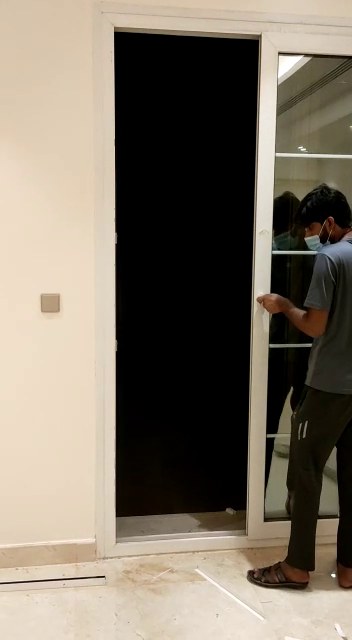
Torn and Damaged Mesh
Torn mesh is the most common repair in Remraam. Children push through screens instead of using handles. Cats climb them. Garden tools catch them. Wind whips a loose corner until it splits. Whatever the cause, a tear never stays small. Air pressure works the loose edges and the rip grows, and every centimetre of it is an open door for flies.
The fix is a mesh replacement inside the existing frame. The old spline comes out, new mesh goes in, and the panel is re-tensioned so it sits flat. This is worth doing at the first sign of damage. It is also the moment to consider tougher mesh if the tear came from pets or children. Replacing mesh with the same standard grade that just failed is asking for a repeat visit.
Stiff and Jammed Sliding Panels
A sliding screen that needs two hands and a shove is telling you about its track. In Remraam the cause is almost always packed dust and grit. Fine sand works into the bottom track, compacts, and slowly seizes the rollers. The panel drags, then sticks, then jumps the track if forced.
Start with cleaning. Vacuum the full length of the track, dig out compacted grit with a stiff brush, and wipe it down. In many cases the panel glides freely again. If it still drags, the rollers are likely worn and need replacing, which is a quick job. What you should not do is keep forcing a stiff panel. Forcing bends the frame and damages rollers, turning a cleaning job into a parts job.
Pleated Screens That Misbehave
Pleated screens have their own failure modes. The classic one is uneven folding: the pleats stack crookedly or the screen refuses to sit flat when closed. Dust in the top and bottom guides is the usual suspect, and a thorough clean often cures it. The second common fault is a snapped cord. The fine cords that keep the pleats evenly spaced take constant tension, and one can eventually give way.
A snapped cord needs professional re-threading. Do not keep using the screen in the meantime, because the uneven tension bends the lead bar and damages the remaining cords. Re-threading is a standard repair and the screen comes back working smoothly. For more on how these systems are built, see our pleated fly screens page.
Frames, Seals, and Gaps
Sometimes the mesh is fine and the problem is the fit. Frames work loose over time, especially on doors that get slammed. Corner joints open up. The spline that holds the mesh shrinks back from the corners and leaves a gap that insects find within days. In Remraam there is an extra factor: dust itself. Grit packed behind a frame can push it out of alignment.

Repair or Replace: Making the Call
Repair wins whenever the frame is sound. New mesh, new rollers, new spline, re-threaded cords: all of these cost less than a new screen and take less time. Replacement only makes sense when the frame itself is bent, corroded, or so far out of square that it will never seal again. Even then, the measurement from the old screen speeds up the new one.
Age matters too. A screen that has needed three repairs in two years is telling you something. At that point a fresh screen with tougher mesh and new hardware is the calmer long-term choice. But a single tear or a single jammed track on an otherwise good screen is firmly repair territory.
FAQs
Can a torn screen be patched instead of re-meshed?
Small tears can be patched, and a patch is fine as a stopgap. But patches peel in heat and dust, so for any tear longer than a few centimetres, a full mesh replacement lasts far longer and looks far better.
My sliding screen keeps jumping off its track. What causes that?
Usually worn rollers combined with a dirty track. The panel sits too low, catches, and lifts out of the guide. Cleaning the track and replacing the rollers fixes it.
How long does a repair visit take?
Most single-screen repairs finish within an hour. Re-meshing several panels or re-threading a pleated screen takes a little longer, but it is still a same-day job.
Is it worth repairing a very old screen?
If the frame is straight and solid, yes. Mesh, rollers, and spline are wear parts designed to be replaced. If the frame is bent or corroded, a new screen is the better spend.
Can I prevent most of these faults?
A lot of them, yes. Vacuum tracks regularly, brush dust off mesh, teach children to use handles, and check seals twice a year. That routine prevents the majority of repair calls.
Got a screen that is torn, jammed, or hanging crooked? Get a free quote for fly screen repair in Remraam and get it working properly again.

