
Mudon has a lot going for it, but its position on the Dubailand desert edge comes with a constant companion: dust. Fine sand drifts in on the breeze, settles on every surface, and finds its way through any open window or door. After a windy day, Mudon families know the routine of wiping down sills and shaking out cushions. Fly screens cannot stop every particle, but they cut the dust coming through open windows dramatically. For fly screens in Mudon, dust protection is as important as insect protection.
This guide explains how screens reduce dust entry, which mesh choices help most, and how to keep screens themselves clean in a dusty environment. The goal is simple: open windows, fresh air, and far less dusting.
How Dust Reaches Your Home
Dust arrives in Mudon two ways. The everyday kind rides the normal breeze, fine particles lifted from the desert edge and the community’s own landscaping. It drifts through open windows all day and settles as that thin film on furniture. The episodic kind comes with shamal winds and dust storms, when the air turns hazy and coarser sand blows through any unprotected opening.
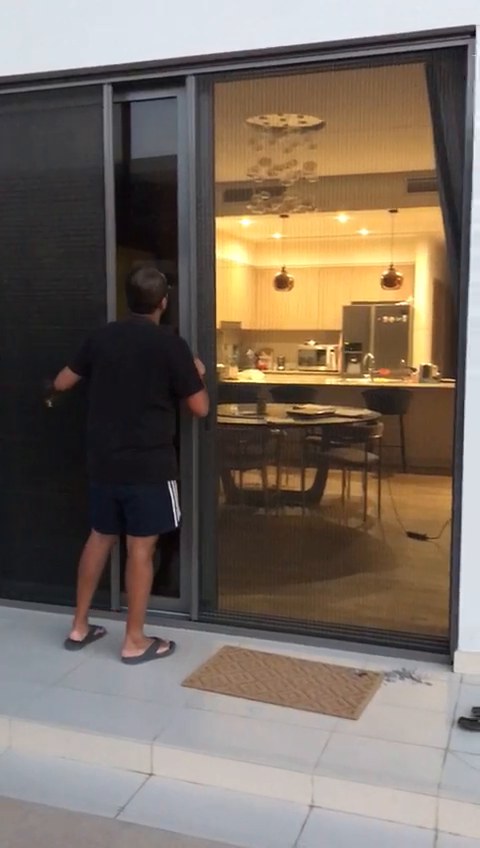
Open windows are the main entry point. An unprotected window on a breezy day acts like a dust scoop, and the garden sliding door does the same on a larger scale. Air conditioning keeps dust out but seals the house shut, which defeats the purpose of living in a townhouse with a garden. Screens offer the middle ground: airflow with far less dust.
How Screens Cut Dust Entry
Mesh works against dust in a straightforward way. The fine grid breaks up the airflow and traps a large share of the particles trying to pass through. It does not block everything, since the finest dust is smaller than the mesh openings, but the difference inside the house is obvious. Sills stay cleaner, furniture needs less wiping, and the air feels fresher.
Finer mesh traps more dust than standard mesh. For bedrooms and living areas, the finer option keeps the interior noticeably cleaner. The trade-off is airflow: finer mesh slows the breeze slightly. In rooms where you want maximum ventilation, standard mesh still cuts dust substantially while letting more air through. Match the mesh to the room and you get the best of both.

Sealing the Gaps That Let Dust In
Dust is more persistent than insects. A gap that a fly might miss, dust will find, because it rides every current of air. The seal around the screen frame matters enormously for dust protection. Brush seals along sliding screens, tight corners on fixed frames, and proper contact where the screen meets the door all decide how much dust gets past.
This is where made-to-measure screens prove their worth. A frame cut exactly to the opening seals fully. An adjustable off-the-shelf screen leaves small gaps at the edges, and in Mudon those gaps become dust channels. When the installer finishes, check for daylight around the frame edges. Any light you see is a path for dust.
Keeping Screens Clean in a Dusty Area
Screens in Mudon collect dust themselves, and a clogged screen blocks airflow. The mesh needs regular cleaning or it slowly turns into a dust filter that chokes the breeze. A monthly rinse with low-pressure water washes the dust out of the mesh. A soft brush works for a quick clean between rinses. Avoid high-pressure jets, which can stretch the mesh and force grit into the frame.
Tracks and guides need attention too. Dust settles into sliding screen tracks and pleated screen folds, making movement stiff and grinding. A monthly vacuum of the tracks takes moments and prevents most problems. After a dust storm, clean the screens promptly. Storm dust is coarser and more abrasive, and leaving it in the tracks wears the moving parts faster.
Garden Insects and the Suburban Setting
Dust is only half the story in Mudon. The small private gardens that make the community attractive also harbour the insects that screens are really for. Watered planting draws flies, mosquitoes, and the tiny evening insects that drift in from the desert edge. The suburban quiet that families love means fewer city distractions for these insects and more of them around your doors.
Screens handle both problems at once. The same mesh that breaks up dust-laden airflow also stops the garden insects trying to follow it inside. Pleated fly screens on the garden door are particularly effective here, sealing the widest opening fully when the evening insects are at their most active. One screen, two problems solved.
FAQs
Do fly screens really reduce dust?
Yes, noticeably. The mesh traps a large share of airborne particles while letting air through. You will still get some fine dust, but far less than with unprotected open windows.
Which mesh is best against dust?
Finer mesh traps more dust. It suits bedrooms and living rooms where cleanliness matters most. Standard mesh still helps a lot and allows more airflow, which suits rooms you ventilate heavily.
How often should I clean screens in Mudon?
A quick brush or rinse monthly keeps them clear, with a prompt clean after any dust storm. Clogged mesh restricts airflow, so regular cleaning keeps the breeze coming through.
Can screens handle a full dust storm?
They help, but during a heavy storm the sensible move is to close the windows. Screens are for everyday dust and normal breezy days, not for storm conditions. Close up, wait it out, then rinse the screens afterwards.
Tired of dusting every day? Get a free quote for dust-cutting fly screens in your Mudon home.

