
Fly screens in JVC work hard. Balcony door screens slide open and shut dozens of times a day, window screens bake in the afternoon sun, and fine construction dust works its way into every track and fold. Sooner or later, something gives: mesh tears, a frame bends, or a sliding panel starts sticking halfway across. The good news is that most of it is repairable, often without replacing the whole screen.
This article covers the damage JVC screens usually suffer, what repair involves, and how to tell when a repair is enough and when replacement is the smarter call. For background on the screens themselves, see our guide to fly screens in JVC.
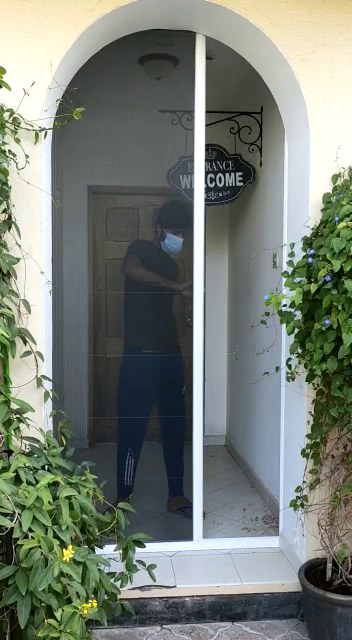
The damage JVC screens usually suffer
Torn mesh is the most common repair by far. It happens when furniture is carried through the balcony doorway during a move, when a cat decides the screen is a climbing frame, or when something sharp catches the mesh while the screen is parked open. Small tears near the frame edge are typical, and once a tear starts, everyday use pulls it wider.
Bent or twisted frames come next, usually from the same moving-day impacts, or from a sliding panel being forced when dust has jammed the track. Sticking sliding screens are almost always a track problem rather than a screen problem: grit builds up in the bottom track, rollers wear, and the panel that once glided with one finger starts needing a shove. Pleated screens suffer differently, with dust settling into the folds and making the pull heavier over time.
Sun damage is slower but just as real. Years of afternoon sun make old mesh brittle, so it tears at a touch rather than flexing. If your screens are several years old and the mesh crumbles when you press it, that is age, not misuse, and it points toward re-meshing rather than patching.
Re-meshing versus frame repair
Most repairs fall into one of two jobs. Re-meshing means keeping the existing aluminium frame and fitting fresh mesh into it. It suits torn, sun-aged, or pet-damaged mesh where the frame itself is still straight and sound. It is the most common repair in JVC apartments, and it leaves you with a screen that works like new for a fraction of the effort of starting over.
Frame repair covers bent corners, loose joints, and damaged tracks. A slightly bent frame can often be straightened and re-squared. Damaged rollers on a sliding screen can be replaced, and a clogged or bent track can be cleaned out or swapped. When the frame is badly twisted or corroded, though, repair stops making sense, and a new made-to-measure screen is the honest recommendation.
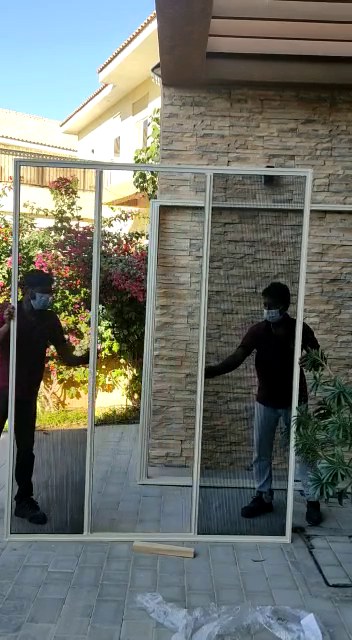
What a repair visit involves
A repair starts with a look at the damage. The technician checks whether the frame is straight, whether the mesh is torn or just aged, and whether tracks and rollers are doing their job. Small jobs, like re-meshing a window screen or replacing rollers, are often finished on the spot. Larger jobs, like re-meshing a full-height balcony door screen, may mean taking the panel back to the workshop and returning it fitted with fresh mesh.
Before any work starts, you should get a clear answer on whether repair or replacement is the better value. A reputable repair service will tell you when a bent frame is not worth saving. That free quote and honest assessment is part of the job, and it applies whether the screen was originally made by the same workshop or not. Our fly screen repair in Dubai page covers the service in full.
Repair or replace: how to decide
Repair when the frame is sound and the problem is limited to mesh, rollers, or tracks. Re-meshing gives years more life to a good frame, and new rollers transform a sticking sliding door. This covers the large majority of JVC repair calls.
Replace when the frame is twisted beyond straightening, when corrosion has taken hold, or when the screen never fitted properly in the first place and has always let insects around the edges. Replacement also makes sense if you want to change the screen type, say swapping an awkward sliding panel for a pleated screen that suits the space better. Either way, the decision should come from looking at the actual screen, not from a rule of thumb.
Can a torn screen be patched, or does the mesh need replacing?
Small tears can sometimes be patched, but patches are a stopgap. They look rough and tend to peel in the heat. Re-meshing the panel properly is the lasting fix and is usually the better choice.
My sliding screen sticks halfway. Is that a repair job?
Almost certainly, and usually a simple one. Sticking is typically dust packed into the track or worn rollers, both of which a repair visit can sort without replacing the screen.
How long does a screen repair take?
Straightforward repairs like roller replacement or re-meshing a window screen are often done in one visit. Full-height door screens that go back to the workshop take a little longer, and the technician will tell you the timing upfront.
Do you repair screens that someone else installed?
Most repair services work on any standard aluminium screen, whoever made it. What matters is the condition of the frame and the type of system, not the original supplier.
Next: Mosquito Nets for JVC Apartments — tackling JVC’s mosquito problem at every opening.

