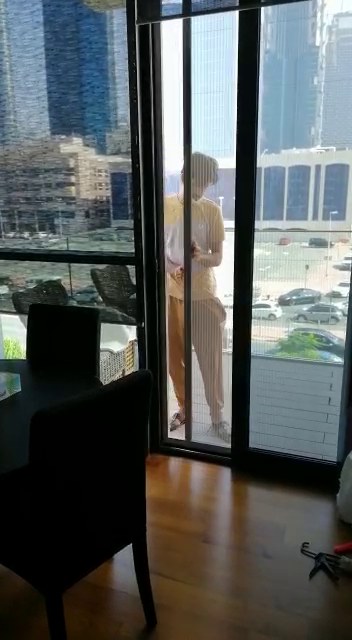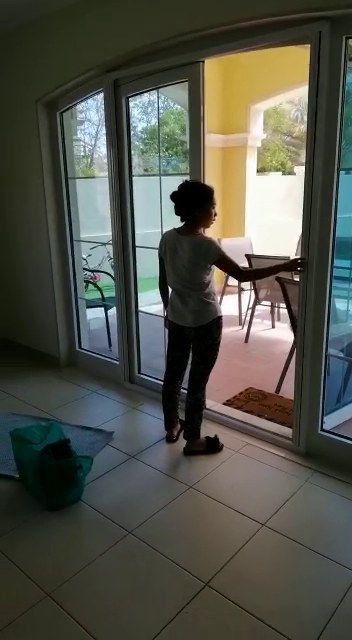

Mosquitoes in RAK follow the water. The lagoons around Mina Al Arab, irrigated villa gardens, and the mangrove edges all breed them, and the evening breeze carries them straight through open doors and windows. Anyone who has spent a summer evening on a RAK terrace knows the pattern: sunset, breeze, then the whine around your ears.
Window and door screens are the permanent answer. They let you keep the house open without inviting the mosquitoes in. We make fly screens in Ras Al Khaimah to order in our Dubai workshop. This guide looks at the mosquito problem from the insect’s side, so you can screen the right openings first.
Where RAK Mosquitoes Come From
Standing water breeds mosquitoes, and RAK has plenty of it. Villa gardens with irrigation, the lagoon edges at Mina Al Arab, and any container that collects water after rain. Mosquitoes do not travel far from where they hatch, so the ones biting you were almost certainly born within a few hundred metres of your door.
They are most active at dusk and dawn. This is exactly when RAK homes open up for the evening, as the day’s heat breaks and the breeze starts. The timing overlap is why mosquitoes feel like a bigger problem here than the actual numbers suggest. Your open patio door and their feeding hour coincide.
You cannot drain the lagoon or your neighbour’s garden. What you can do is make sure mosquitoes cannot get inside. That is a screening problem, not a pest control problem, and it is solved once at the windows and doors rather than nightly with sprays.
Screens vs Bed Nets
A bed net protects one bed. Window and door screens protect the whole house. Screens let you live normally: doors open, windows open, no tucking yourself under netting every night. For whole-house protection, screens are the lasting fix.
Bed nets still have a place. They are useful for babies, for guests in an unscreened room, and as a stopgap while you wait for screens to be fitted. Think of them as the temporary measure and screens as the permanent one.
Which Openings to Screen First
Start with the bedrooms. Every bedroom window you open in the evening needs a screen. Then the doors you leave open after sunset: the patio door, the kitchen door, the majlis door. These are the routes mosquitoes actually use, and screening them cuts the indoor population dramatically.
Bathrooms and utility rooms come last. They matter less because nobody sleeps in them, but mosquitoes rest in cool damp rooms during the day, so screening them stops the house harbouring a daytime population that feeds at night.
The pattern is the same whether you live in a villa or an apartment. Bedrooms first, living areas second, utility rooms third. Work through the house in that order and the money goes where it counts.
Keeping the House Ventilated
The point of screens is that you do not have to choose between air and insects. A screened house can stay open all evening. Cross-ventilation works better with screens than without, because you can leave windows open on both sides of the house without worry.
Keep the mesh clean. Dusty mesh cuts airflow, and in RAK the mountain dust builds up fast. A quick wipe every few weeks keeps the breeze coming through. This is the single highest-value maintenance habit for mosquito protection, and it takes minutes.
What Does Not Work as Well
Plug-in repellents and coils reduce bites in one room for one evening. They do not stop mosquitoes entering the house, and the effect stops when the device is off. They are a nightly expense for a partial result.
Sprays kill the mosquitoes that are already inside. They do nothing about the ones arriving through the open door five minutes later. Used alone, sprays mean you are treating the symptom every night instead of closing the route.
Zappers and traps catch some insects and miss most mosquitoes, which hunt by scent and heat rather than light. They are satisfying to watch and poor at protection. Screens remain the only method that blocks entry around the clock without chemicals, noise, or nightly effort.
Villas face the heaviest mosquito pressure in the emirate, because gardens and terraces put you closest to where mosquitoes breed. Our guide to villa fly screens in Ras Al Khaimah covers screening Al Hamra Village and Mina Al Arab homes.
FAQ
Do fly screens keep out all mosquitoes?
A well-fitted screen with intact mesh and brush strips keeps out mosquitoes, flies, and moths. The weak points are always the edges: torn mesh, flat strips, or doors left ajar. Screens work when they are closed and maintained.
What mesh size stops mosquitoes?
Standard insect mesh stops mosquitoes. Finer mesh also stops sandflies and midges but reduces airflow slightly. We help you choose at the measurement visit based on which insects bother you most.
Are mosquitoes worse near the lagoons?
Yes. Homes near water, like the Mina Al Arab lagoon edges, see more mosquitoes than homes further inland. If you live near water, screening every opening matters more, not less.
Can I use screens and air conditioning together?
Yes. Many families run the AC in bedrooms at night with screened windows open for fresh air. The screens keep insects out regardless of whether the AC is on.
How do I arrange fitting?
Call +971 52 443 2655 or message on WhatsApp. We travel to Ras Al Khaimah for free measurement visits and agree a fitting day with you there. The quote is free at the measurement visit.