
Jumeirah villas and pets go together. Gardens, space and a beach nearby make the area popular with cat and dog owners, and garden doors stay open so pets wander in and out. Standard fly screen mesh was not designed for claws and a large dog leaning on the door. This article covers how fly screens in Jumeirah homes can be built to handle cats and dogs.
The goal is simple: screens that stay intact. A torn screen protects nothing, and a screen the dog has shredded looks fine from a distance while insects walk through the hole. Choosing the right mesh for pet areas from the start avoids the cycle of repair and re-tear.
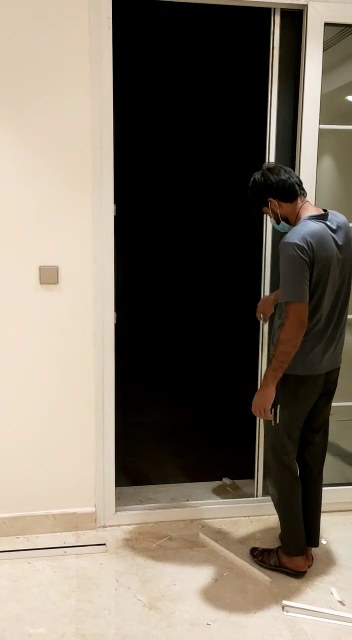
Why standard mesh fails with pets
Standard fibreglass insect mesh is light and fine, which is exactly what makes it vulnerable. Cat claws hook into the weave when a cat climbs or kneads, pulling threads loose. Dogs push through with their noses, scratch at the bottom when they want in, and lean their full weight against garden door screens.
The damage concentrates low down. The bottom third of a garden door screen takes almost all pet abuse, while the upper part stays perfect for years. The fix can target the lower section rather than rebuilding the whole screen.
Tougher mesh for pet areas
Pet-resistant mesh is woven from thicker, stronger strands than standard insect mesh. It still stops mosquitoes and flies and still lets air through, but it resists the clawing, pushing and leaning that destroys lighter mesh.
Stainless steel mesh is the toughest option. It shrugs off cat claws entirely and stands up to large dogs, and it handles Jumeirah’s salt air without corroding. It is the natural choice for the main garden door in a home with big dogs.
A common setup mixes mesh types in one villa. Pet-resistant or stainless mesh goes on the garden doors and low windows the animals reach, while standard mesh covers the upper windows and bedrooms where pets never go.
Cats and screens
Cats challenge screens in specific ways. They climb mesh, especially kittens, hooking claws in and pulling themselves up. They knead at screens when they want through a closed door. And they sit in windows, leaning against the mesh for hours, which slowly stretches lighter weaves out of shape.
Pet-resistant mesh handles climbing and kneading far better than standard mesh. For dedicated climbers, stainless steel mesh on the favourite window ends the problem permanently. Mesh held firmly in the frame with fresh spline also resists pulling better than loose, aged mesh.
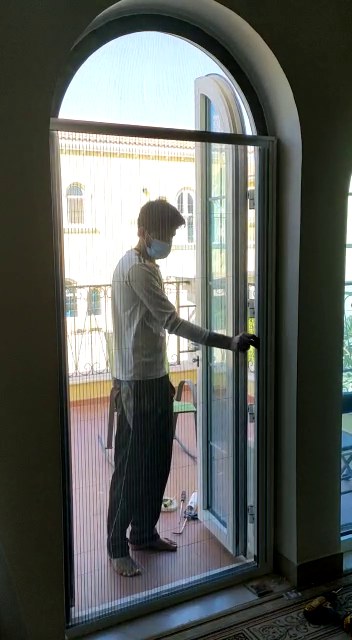
Dogs and garden doors
Dogs are harder on screens than cats, simply because of size and force. A large dog that wants through a closed screen door will push with its nose and shoulders, and standard mesh gives way. Scratching to be let in shreds the lower mesh quickly.
The garden door screen is the critical one. This is the door the dog uses all day, and it needs the toughest mesh in the house. Stainless steel mesh here is worth it for medium and large dogs. Some owners add a protective grille across the lower section, a metal guard that takes the impact.
Training helps the hardware last. Dogs that learn the screen is not a door stop pushing through it. But training takes time, and the screen has to survive the learning period, which argues for fitting tough mesh from the start.
Pets and moving screens
Sliding screens on garden doors get the heaviest pet use, and the rollers and tracks feel it. A dog barging through a half-open screen can knock the panel off its track or bend the frame. A rigid, well-built panel matters more in a pet home than anywhere else.
Sliding door fly screens with sturdy frames and quality rollers handle the odd impact without derailing. A knocked-off panel usually lifts back onto the track, provided the frame is not bent. Bent frames need straightening or replacement.
Pleated screens and pets are a poor mix on the main pet doorway. The concertina mesh dents and snags under claws more easily than flat mesh. Reserve pleated screens for rooms the pets do not use, and put a tough sliding screen on the door the animals go through.
FAQs
What mesh is best for a home with cats?
Pet-resistant mesh handles climbing and kneading well. For persistent climbers, stainless steel mesh on the favourite windows ends the damage. Standard mesh can stay on windows the cats do not reach.
Can a screen survive a large dog?
With the right mesh, yes. Stainless steel mesh on the garden door screen withstands pushing and scratching from large dogs. A lower protective grille adds further protection on the busiest doorway.
Should I use tough mesh on every screen?
It is unnecessary and adds cost where it buys nothing. Put tough mesh on pet-reachable openings, the garden doors and low windows, and standard mesh everywhere else.
Are pleated screens suitable for pet doors?
Not on the doorways pets use. The pleated mesh dents under claws. Use a sturdy sliding screen with tough mesh on pet doorways, and keep pleated screens for rooms the animals do not frequent.
My dog has already shredded the screen. What now?
Replace the mesh with a tougher grade in the same frame, and consider a protective grille on the lower section if the dog scratches to be let in. Repair visits handle this in one go.
For pet-proof screens in your villa, get a free quote for a Jumeirah measurement visit.

