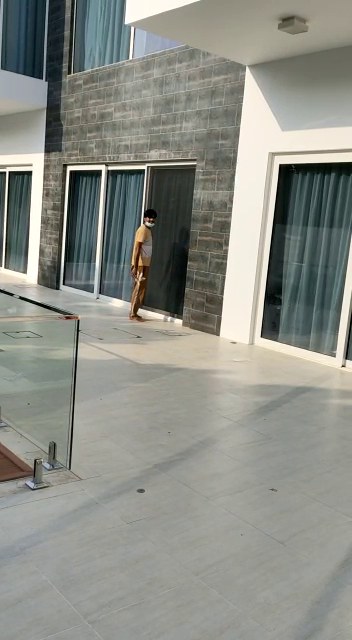
Apartment balconies in Dubai come with two things: a view you paid for and mosquitoes that arrive with the evening breeze. Fixed screens keep insects out but sit in the opening permanently, and many towers forbid them because they change the facade. Retractable screens were made for exactly this standoff.
The screen lives inside a slim cassette fixed to the door frame. Pull it across when the balcony door is open, roll it away when you want the skyline back. Here is how apartment owners use them, what landlords usually allow, and which setup fits different balcony doors.
Why balcony doors suit retractable screens
The balcony door is the most-used opening in an apartment. It stands open for hours on pleasant evenings and stays shut the rest of the time, so a permanently fixed screen is wasteful. Retractable screens match this rhythm: present when the door is open, gone when it is closed.
Side-pull models cover the full height of the door, so no gap lets insects through. Pull-down models suit the windows beside the door. We build retractable fly screens in Dubai in our own workshop, cut to the exact measurements of each apartment opening, so the fit is tight against the frame on all sides.
What landlords and building management usually allow
Most tenancy contracts restrict changes to the building’s exterior, not the inside of your flat. A retractable screen fixes to the inner reveal of the door frame, so the facade stays exactly as the developer left it, which is what building management cares about.
Higher-end towers sometimes ask for written approval before any fitting work, even inside. That is usually a formality: the screen is removable, leaves no structural change, and we can provide the specification sheet for the management office. Renters like that it comes away cleanly at move-out. Pleated fly screens offer a similar inside-only fitting if you want to compare styles.
Side-pull or pull-down for the balcony door
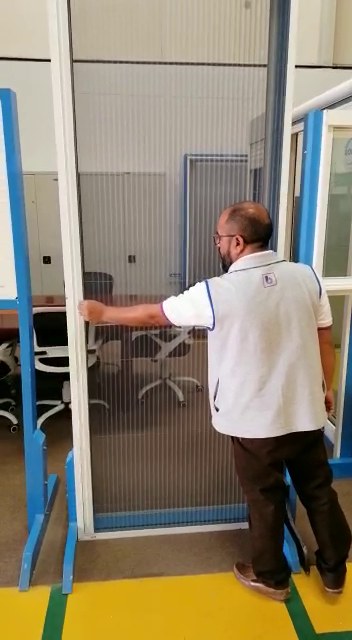
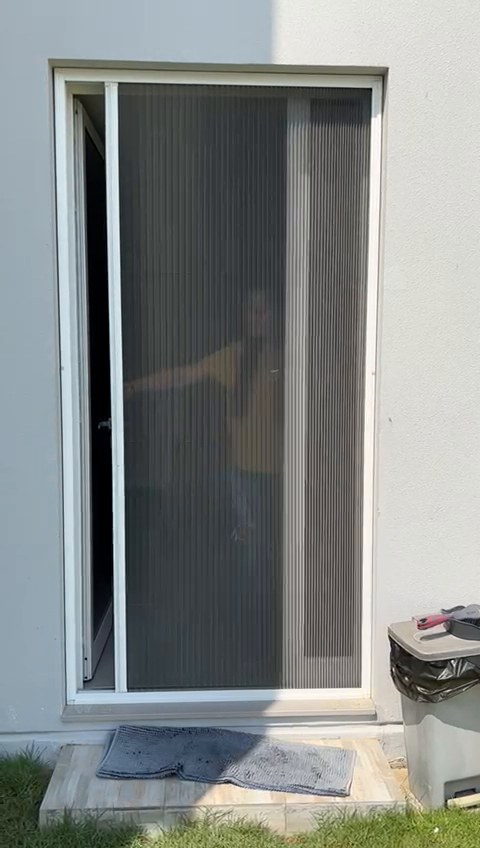
Side-pull is the configuration for doors. The cassette sits vertically on one jamb, and you draw the mesh across to a slim receiver profile on the other side. One hand does the job, and the mesh locks at any position: half open for the cat, fully closed against the evening insects.
Pull-down suits windows, not doors: the cassette sits on top and the mesh draws down to the sill. Double balcony doors get two side-pull units meeting in the middle with a magnetic meeting stile. Sliding doors work the same way, with the cassette on the fixed panel side. Our sliding door fly screens page shows the door-specific options in detail.
Wind and dust on high floors
High-floor balconies catch stronger gusts than ground-floor patios, and wind is the main thing that shortens a screen’s life. A retractable screen handles normal balcony wind, because the guides hold the mesh edges and the pull bar locks into the receiver. The rule is simple: retract the mesh during storms and strong shamal gusts.
Dust is the other high-rise companion. Fine sand settles into the guides and on the mesh, and a quick vacuum of the tracks a few times a year keeps the motion smooth. Brush seals on the cassette and pull bar block the thin gap where tiny insects try to enter.
Measured and fitted without touching the facade
Every apartment opening is slightly different, which is why we measure on site instead of selling standard sizes. The free measurement visit takes the exact width, height and reveal depth, checks which way the door opens, and confirms the fixing points. Then the screen is custom made in our Dubai workshop.
Fitting takes under an hour for a standard balcony door: the cassette and guides screw to the inner reveal, the tension is set, and the pull is tested before the technician leaves. We serve Dubai, Sharjah, Ajman, Abu Dhabi and Ras Al Khaimah, and apartment fittings are our most common job. For windows that stay shut most of the year, fixed window fly screens are the simpler alternative.
Living with the screen day to day
Daily use is deliberately boring. Pull the bar across when you open the balcony door in the evening, push it back when you come inside. Children learn it in one try, and pets cannot push through a locked mesh the way they nose through a loose curtain. The mesh only sits in the doorway while you need it.
Cleaning is light. A soft brush or a vacuum with a brush head keeps the mesh clear of dust, and the guides wipe clean with a damp cloth. Because the screen retracts into the cassette, the mesh spends most of its life protected from sun and dust. If it ever tears, a re-mesh during a single visit puts it right.
FAQ
Do I need my landlord’s permission?
Usually not, because the screen fixes to the inside of your apartment and removes cleanly. Still, check your tenancy contract, and get written approval from building management if your tower enforces strict facade rules.
Will it work with my sliding balcony door?
Yes. Side-pull retractable screens are made for sliding doors as well as hinged ones, with the cassette on one jamb and the mesh meeting the door frame. See our sliding door fly screens page for door-specific builds.
Does the screen block the balcony view?
Only while pulled across, and even then standard mesh stays nearly invisible from a few steps back. Retract it and the opening is completely clear.
Can it handle windy days on a high floor?
Retractable screens cope with normal balcony wind without trouble. During storms or strong shamal gusts, pull the mesh back into the cassette. The mesh lasts far longer when it is not left flapping in heavy wind.
How do I get one measured?
Call or WhatsApp +971 52 443 2655 to book a free measurement visit. The technician measures your door, shows you mesh samples, and the screen is custom made in our Dubai workshop to fit exactly.
Next: Do Retractable Screens Block Airflow or View