
Business Bay apartments are full of pets. Cats patrol the balconies, dogs wait by the sliding door for their evening walk, and both species treat fly screens as part of their territory. Standard insect mesh was not designed for claws, and pet owners learn this the expensive way when a new screen shreds within months. Pet-friendly fly screens in Business Bay use tougher mesh and smarter placement so the screens survive the animals and the animals stay safe.
This guide covers what makes a screen pet-friendly, which openings need the toughest treatment, and how to balance durability with the airflow and views that drew you to a canal-side apartment.
How Pets Destroy Standard Screens
Cats are the primary screen killers. They climb mesh with their claws, sharpen nails on the lower panel, and launch at the screen when a bird lands on the balcony. Standard fibreglass mesh tears under this treatment because it is woven to stop insects, not to resist claws pulling at the weave.
Dogs cause different damage. Large dogs push through screens with noses and shoulders when they want onto the balcony, and excited scratching wears the lower mesh thin. Even small dogs hook claws into the mesh when jumping up. The pattern differs, but the result matches: torn panels, bent frames, and mosquitoes streaming through the gaps.
Pet-Resistant Mesh: What Changes
Pet-resistant mesh uses thicker, tougher strands woven more densely than standard insect mesh. It resists claw punctures and spreads the force of a climbing cat across the weave instead of tearing at one point. It still stops insects and still passes air, though the denser weave softens the view slightly and trims airflow by a small margin.
The practical approach is zoned mesh: pet-resistant fabric on the lower portion where animals make contact, standard fine mesh above. The claws meet the tough zone, the upper panel preserves the canal view and the breeze, and the screen lasts years instead of months. Ask for this zoning explicitly, because full pet mesh costs more and is unnecessary above paw height.
Protecting the Balcony Door
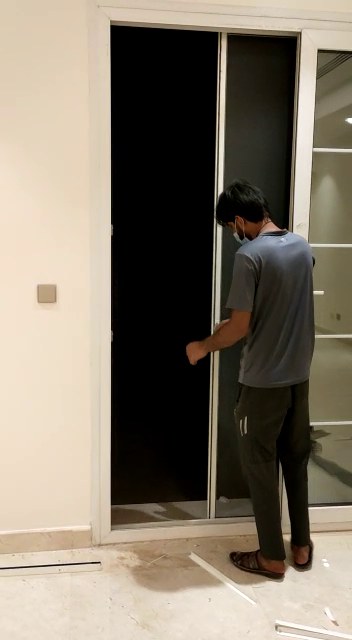
The balcony sliding door takes the heaviest pet traffic. It is the door the dog scratches to go out and the screen the cat climbs to watch the canal. A rigid sliding screen with pet mesh on the lower half handles this better than a pleated screen, whose folding fabric stays vulnerable to claws regardless of weave.
Consider a protective grille over the lower panel for determined cats. A slim metal grille on the room side takes the climbing force while the mesh behind keeps insects out. It changes the look of the lower door slightly, but owners of athletic cats usually accept the trade after the second re-meshing bill.
Windows, Balconies, and Pet Safety
Screens do more than stop insects in a pet household; they stop pets. An unscreened window cracked open for the night breeze is an escape route for a curious cat, and high-rise falls are a genuine risk in tower districts. A properly fitted screen with a secure frame turns every openable window into a safe one.
Balconies need the same thinking. Cats slip through railing gaps and dogs can jump surprisingly well. Screens on the balcony door let you ventilate without opening the balcony itself to the animals, and balcony netting is worth considering for cats that insist on outdoor time. Never rely on standard insect mesh as a pet barrier on an open balcony; it is designed to stop bugs, not hold a determined animal.
Frames and Hardware That Hold Up
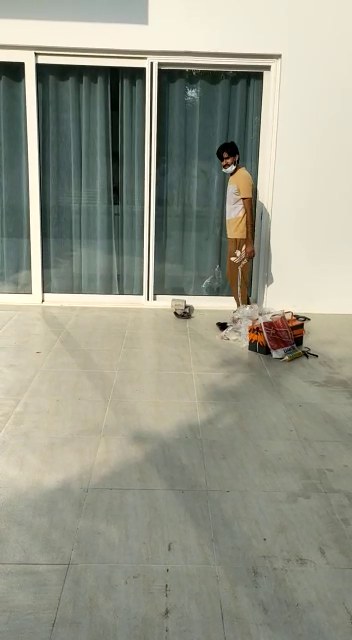
Mesh is only half the story. A cat launching at a screen stresses the frame, corners, and mounting, so pet households benefit from sturdier frames and solid fixings. Corner joints should be screwed or properly joined rather than just pressed together, because a pressed corner pops open under repeated impact.
Latches and catches must survive daily pawing. Magnetic catches work well for pleated screens in pet homes since there is no small latch to break, while sliding screens benefit from a positive lock that a dog’s nose cannot nudge open. Mention the pets during the survey so the technician specs the hardware accordingly.
FAQs
Will pet-resistant mesh keep insects out as well as standard mesh?
Yes. Pet mesh is woven densely enough to stop mosquitoes and flies; it is the strand thickness, not the gap size, that gives it strength. For the tiny canal midges, the zoned approach keeps standard fine mesh on the upper panel where it matters most.
My cat has destroyed two screens. What should I order?
A rigid sliding screen with pet-resistant mesh on the lower half, sturdier frame corners, and ideally a protective grille over the lower panel. Add a pet flap so the cat stops launching at the mesh to demand access, and keep a scratching post by the door.
Can a dog push through a pet-resistant screen?
A large determined dog can damage any screen, which is why frame strength and the lock matter as much as the mesh. For big dogs, a solid lower panel or grille is more realistic than mesh alone, and training the dog to wait at the door helps more than any product.
Are screens safe to leave open around cats on high floors?
A properly fitted screen with a secure frame makes an open window safe, but it must be made for the job: solid fixings, no gaps at the edges, mesh that cannot be pushed from the frame. Have the installation checked with pets in mind, not just insects.
For the toughest openings, see our sliding door fly screens with pet-mesh options, and fly screen repair in Dubai when an old screen needs upgrading. Get a free quote and mention your pets so the survey specs the right mesh from the start.

